Prediabetes Blood Tests: How to Detect Prediabetes Early
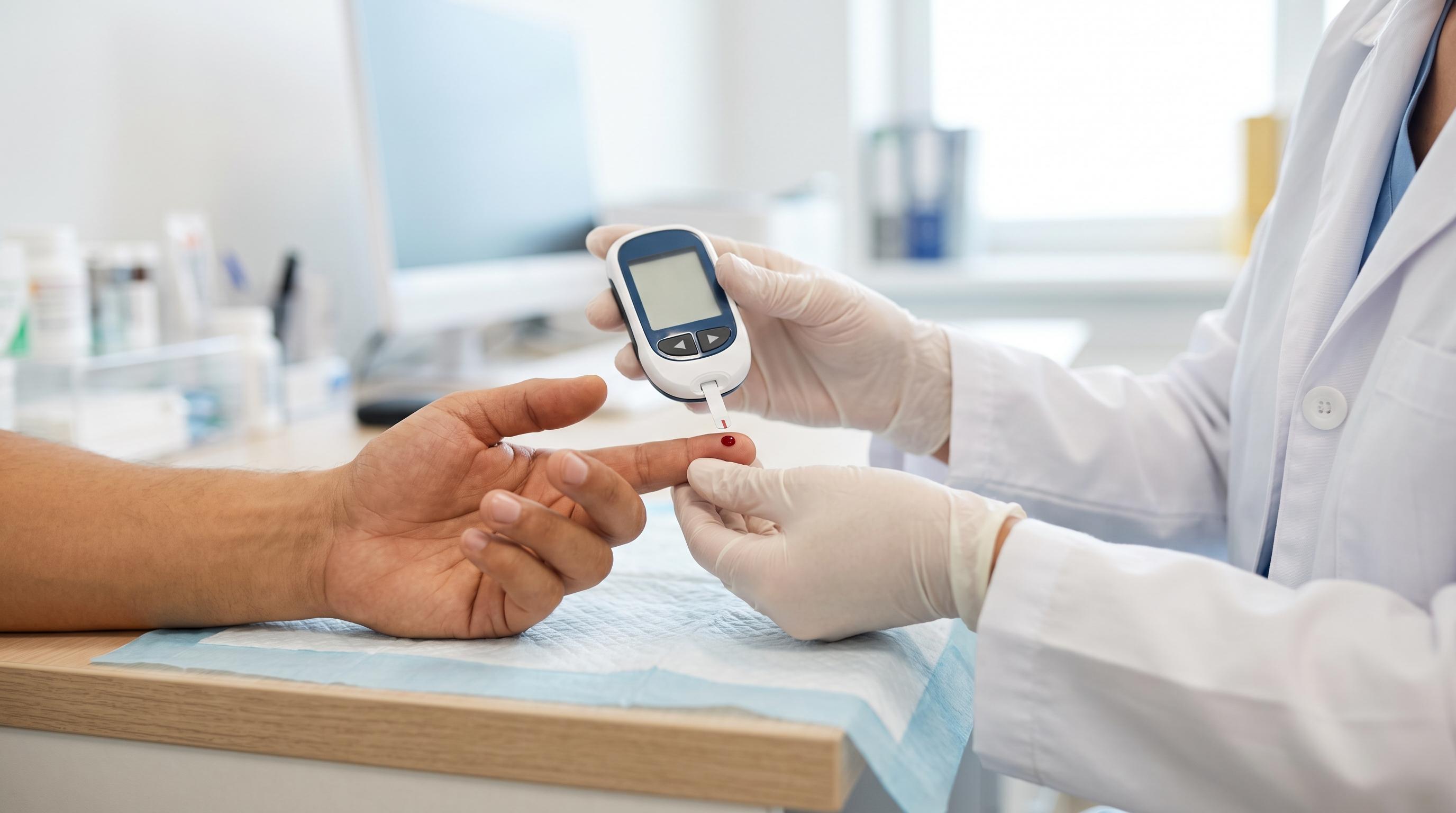
Prediabetes happens when blood sugar is higher than normal, but not high enough to be called type 2 diabetes. It often causes no symptoms. Simple blood tests like HbA1c, Fasting Plasma Glucose, and Oral Glucose Tolerance Test can detect it early. Healthy eating, regular exercise, and weight management can help reverse prediabetes and help prevent type 2 diabetes.
Prediabetes usually does not cause noticeable symptoms in the early stages. That is why blood tests such as HbA1c, Fasting Plasma Glucose, and OGTT are used as screening tools to detect changes in blood sugar before type 2 diabetes develops.
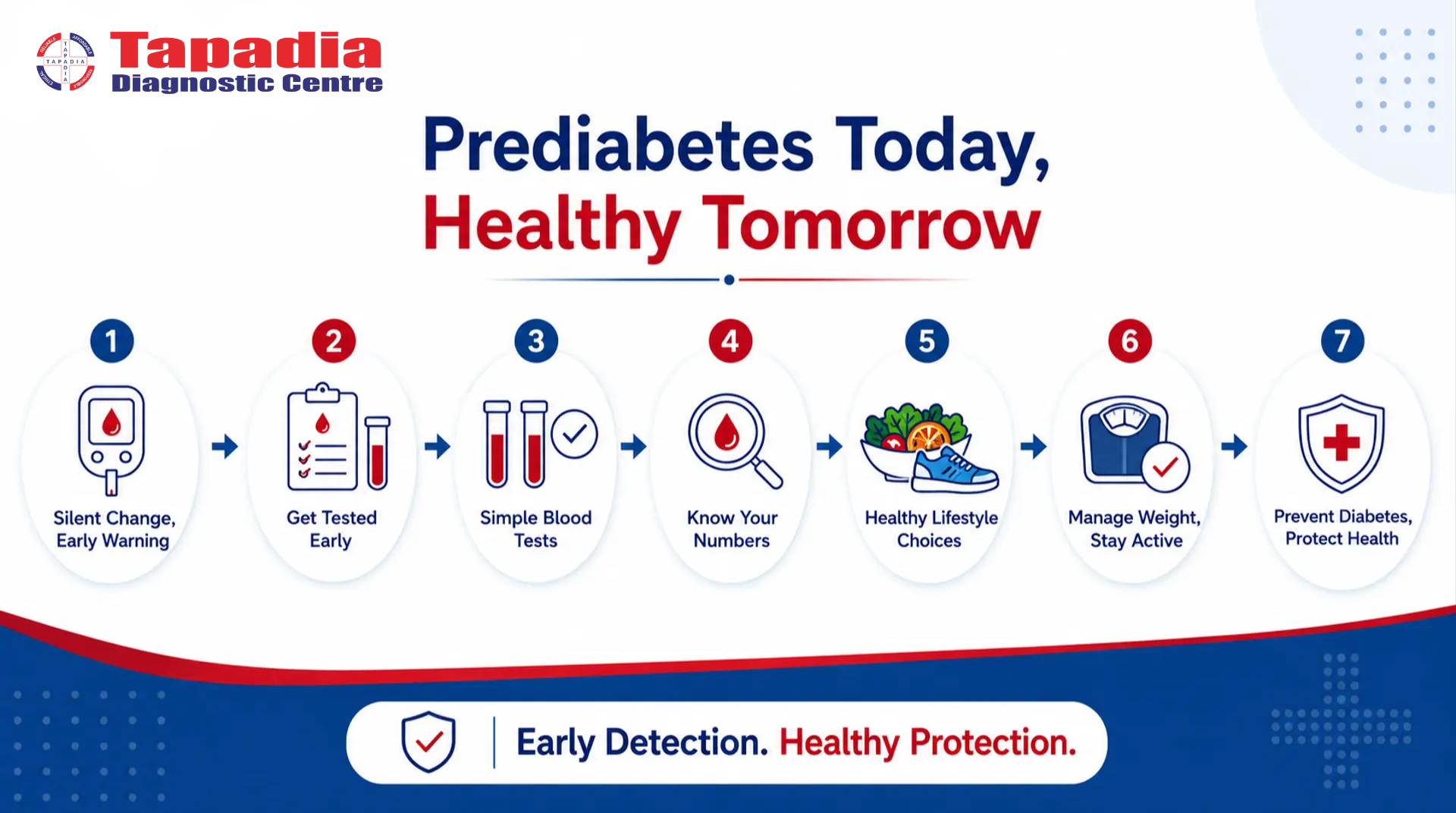
Prediabetes is an early warning sign. It means your blood sugar is higher than normal, but not yet high enough to be called type 2 diabetes. The good news is that early action can often stop it from getting worse. In many cases, lifestyle changes can help bring blood sugar back to a healthier range.
What Is Prediabetes and Why Does It Happen?
When you eat, your body turns food into glucose, which is a type of sugar. This sugar enters your blood. Your pancreas then releases insulin. Insulin helps move sugar from your blood into your cells, where it is used for energy.
In prediabetes, two things happen:
Insulin Resistance: Your muscle, fat, and liver cells do not respond well to insulin, so glucose stays in the blood instead of moving into the cells.
Pancreatic Insufficiency: Over time, the pancreas may be unable to produce enough insulin to compensate for insulin resistance, causing blood glucose to rise
Who Should Get Tested?
Prediabetes screening can be valuable even when you feel well, because early blood sugar changes often go unnoticed. Routine screening is especially important if you have known risk factors that raise your chances of developing prediabetes or type 2 diabetes.
Being overweight or having extra fat around the abdomen
A family history of type 2 diabetes
Low physical activity or a sedentary lifestyle
Age over 45, which increases risk
A history of gestational diabetes during pregnancy
Polycystic Ovary Syndrome (PCOS) or high blood pressure
These blood tests are useful screening tools for adults who want a clearer picture of their metabolic health, even if they do not have symptoms. If you have one or more of these risk factors, regular screening becomes even more important because it can help detect changes early and support timely lifestyle action.
Blood Tests to Detect Prediabetes Early
Because prediabetes rarely causes clear symptoms, blood tests for diabetic care are the best way to detect it. Doctors usually rely on three main tests:
1. HbA1c (Glycated Haemoglobin) Test
What it measures: Your average blood sugar levels over the past 2 to 3 months by checking how much glucose is attached to your hemoglobin.
Prediabetes range: 5.7% to 6.4%
Normal is below 5.7%; diabetes is 6.5% or higher.
2. Fasting Plasma Glucose (FPG) Test
What it measures: Your blood sugar level after fasting overnight for at least 8 hours.
Prediabetes range: 100 to 125 mg/dL
Normal is 99 mg/dL or lower; diabetes is 126 mg/dL or higher.
3. Oral Glucose Tolerance Test (OGTT)
What it measures: How well your body processes a sugary drink over 2 hours. Your blood is tested while fasting and again 2 hours after drinking it.
Prediabetes range: 140 to 199 mg/dL at the 2-hour mark
Normal is below 140 mg/dL; diabetes is 200 mg/dL or higher.
Test | Normal | Prediabetes |
|---|---|---|
HbA1c | Below 5.7% | 5.7% to 6.4% |
Fasting Plasma Glucose | 99 mg/dL or lower | 100 to 125 mg/dL |
Oral Glucose Tolerance Test (2-hour) | Below 140 mg/dL | 140 to 199 mg/dL |
How to Prevent or Reverse Prediabetes
Finding prediabetes early gives you a chance to lower your blood sugar and avoid type 2 diabetes. Regular preventive health check-ups can help catch changes early. These steps can help:
Prioritise Whole, Fiber-Rich Foods: Eat more vegetables, whole grains, lean proteins, and healthy fats. Cut back on sugary drinks, white flour, and ultra-processed snacks.
Stay Physically Active: Aim for at least 150 minutes of moderate aerobic activity each week, such as brisk walking, cycling, or swimming, along with strength training twice a week.
Manage Body Weight: Losing just 5% to 7% of your body weight can greatly improve how your body responds to insulin.
Optimize Sleep and Manage Stress: Chronic stress and poor sleep can raise cortisol levels, which may increase blood sugar and worsen insulin resistance.
Key Takeaways: What You Need to Remember
It is a critical window: Prediabetes means your blood sugar is high, but finding it early can help you reverse it before it becomes type 2 diabetes.
It is mostly silent: Prediabetes usually has no symptoms, so routine blood screening is important.
Testing is straightforward: Simple tests like HbA1c and Fasting Plasma Glucose can quickly show your blood sugar status.
Lifestyle changes work: Small, steady changes in diet, physical activity, and weight management are powerful tools for prevention and recovery.
Frequently Asked Questions (FAQs)
In some cases Fasting blood glucose can go back to normal and Prediabetes can often be in remission. Regular exercise, weight loss, and a balanced diet can help bring blood sugar back to a normal range. The earlier you act, the better your chances.
Most people with prediabetes do not notice any symptoms. Some may develop acanthosis nigricans, which causes dark, velvety skin patches around the neck, armpits, elbows, or knuckles. This can be a sign of insulin resistance.
If you are over 35 or have risk factors such as a family history of diabetes, high blood pressure, or low physical activity, yearly testing is a good idea. An HbA1c or fasting blood sugar test is often part of a routine health check-up.
Yes. Prediabetes is often found during a routine health check-up through tests like HbA1c or fasting blood sugar. If you have risk factors such as excess weight, family history, high blood pressure, or low physical activity, regular screening helps catch changes early. You can also explore home sample collection if visiting a centre is inconvenient.
Disclaimer: Content is for informational and educational purposes only and does not substitute for professional medical advice, diagnosis, or targeted clinical treatment. For any health related concerns or symptoms please seek advice from a qualified medical professional.


We also provide Home diagnostic services