







Know More About This Test
The 25-Hydroxy Vitamin D test is the gold standard for assessing vitamin D status in the body. It measures total vitamin D derived from sunlight exposure, food intake, and supplements. Vitamin D plays a central role in bone mineralization, immune regulation, muscle strength, and calcium absorption. Deficiency is extremely common due to indoor lifestyles, limited sun exposure, and dietary insufficiency.
Why Is This Test Recommended?
Doctors recommend it to diagnose vitamin D deficiency, evaluate bone and muscle pain, and monitor supplementation therapy. It helps assess osteoporosis risk and investigate immune dysfunction. Low levels cause poor calcium absorption leading to osteomalacia, fractures, and muscle weakness. Excess levels may cause hypercalcemia and kidney stones.
What Do the Results Indicate?
Deficient levels below 20 ng/mL indicate significant vitamin D deficiency. Insufficient levels between 20–30 ng/mL suggest inadequate vitamin D status. Optimal levels range from 30–50 ng/mL for proper bone health and calcium metabolism.
How Is the Test Performed and Prepared For?
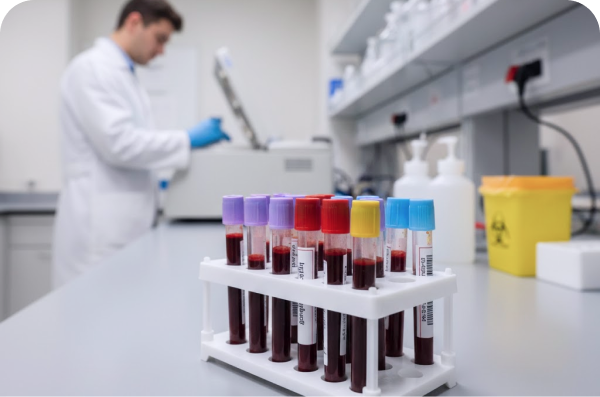
A blood sample is collected through standard venipuncture for laboratory analysis. No fasting is required. Continue routine medications as prescribed.
Frequently Asked Questions (FAQs)
Is sun exposure enough?
Often insufficient; indoor lifestyles, geographic location, and skin pigmentation limit natural vitamin D production.Can obesity affect levels?
Yes; vitamin D is fat-soluble and gets sequestered in adipose tissue, reducing bioavailability in obese individuals.Is fasting required?
No; vitamin D testing does not require fasting preparation.Can supplements raise levels quickly?
Gradually; it typically takes several weeks to months of consistent supplementation to restore optimal levels.How often to test?
Every 3–6 months if deficient; retesting helps monitor response to supplementation and adjust dosage accordingly.