




Know More About This Test
The Anti-Thrombin III test measures the level of antithrombin, a natural protein that helps regulate blood clotting by preventing excessive clot formation. Deficiency of antithrombin increases the risk of abnormal blood clots in veins and arteries.
This test is crucial in evaluating inherited or acquired clotting disorders, especially in patients with unexplained or recurrent thrombosis.
Why Is This Test Recommended?
You may be advised this test to:
Evaluate recurrent or unexplained blood clots
Investigate thrombosis occurring at a young age
Assess pregnancy-related clotting complications
Screen for inherited clotting disorders
Evaluate family history of thrombosis
Understanding Antithrombin Testing
Antithrombin is a natural anticoagulant protein produced by the liver. It works by inactivating several clotting factors, preventing excessive clot formation. When antithrombin levels are low, the balance shifts toward clot formation, significantly increasing thrombosis risk. This test helps identify both inherited deficiencies (present from birth) and acquired deficiencies (developing due to other conditions).
Symptoms or Conditions That May Require This Test
Recurrent deep vein thrombosis (DVT)
Pulmonary embolism
Blood clots at unusual sites
Thrombosis at a young age (under 50)
Pregnancy-related clotting events
Family history of clotting disorders
Unexplained clot formation
Why Do I Need This Test?
Early detection of antithrombin deficiency helps prevent life-threatening clot formation and allows timely initiation of anticoagulant therapy. It also helps guide treatment decisions and family screening.
How Do I Prepare for the Test?
Inform your doctor about all medications, especially anticoagulants
Testing is ideally done when not on blood thinners, as they can affect results
No fasting is typically required
Discuss timing with your doctor if you're pregnant or recently had surgery
How Is the Test Performed?
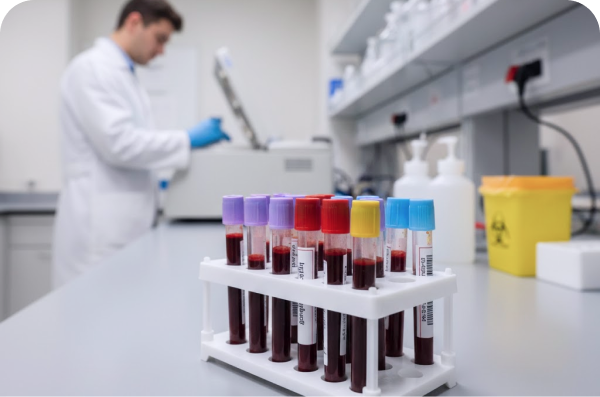
A blood sample is drawn from a vein in your arm and sent to the laboratory for analysis using specialized immunoassay or functional activity testing methods.
What Happens After the Test?
Results are typically available within a few days. If levels are low, your doctor may recommend repeat testing to confirm the diagnosis and rule out temporary causes.
When Should I Consult a Doctor?
Immediately if you experience symptoms of blood clots such as leg pain and swelling, chest pain, shortness of breath, or if your test results show low antithrombin levels.
Risks Associated With This Test
Minimal risk related to blood draw only, including slight bruising or discomfort at the puncture site.
Lifestyle Tips
Stay active and avoid prolonged immobility
Maintain adequate hydration
Follow prescribed anticoagulant therapy if recommended
Inform healthcare providers about your condition before surgery
Wear compression stockings during long travel if advised
Avoid smoking, which increases clot risk
What Does This Test Measure?
The test measures the concentration and functional activity of antithrombin III, a key anticoagulant protein that regulates blood clot formation.
What Do the Results Mean?
Normal levels (80–120%): Antithrombin deficiency unlikely
Low levels (<80%): Increased risk of abnormal blood clots; may indicate inherited or acquired deficiency
Borderline levels: May require repeat testing for confirmation
What Should I Do If Results Are Abnormal?
Seek specialist care (hematologist) for further evaluation, confirmatory testing, family screening, and discussion of long-term anticoagulation therapy if needed.
Factors Affecting Results
Current use of anticoagulants (heparin, warfarin)
Acute thrombosis or recent clot formation
Liver disease
Pregnancy
Recent surgery or trauma
Certain medications
Timing of sample collection
FAQs
Is antithrombin deficiency common?
No, antithrombin deficiency is rare, occurring in approximately 1 in 2,000 to 5,000 people, though it accounts for a significant proportion of inherited clotting disorders in younger patients with unexplained thrombosis.Is it inherited?
Yes, antithrombin deficiency is often inherited in an autosomal dominant pattern, meaning a child has a 50% chance of inheriting the condition if one parent carries the deficiency; however, acquired deficiency can also occur.Can pregnancy affect levels?
Yes, pregnancy can lower antithrombin levels temporarily due to increased consumption, hemodilution, and hormonal changes, which increases clotting risk; testing may need careful interpretation during pregnancy and postpartum periods.Is treatment lifelong?
Sometimes, treatment duration depends on whether the deficiency is inherited or acquired, and whether clots have occurred; those with inherited deficiency and recurrent clots typically require lifelong anticoagulation therapy.Is repeat testing required?
Yes, repeat testing is usually required to confirm the diagnosis, especially if initial levels are borderline or if testing was done during acute illness, anticoagulant use, or pregnancy when results may be temporarily affected.