






Know More About This Test
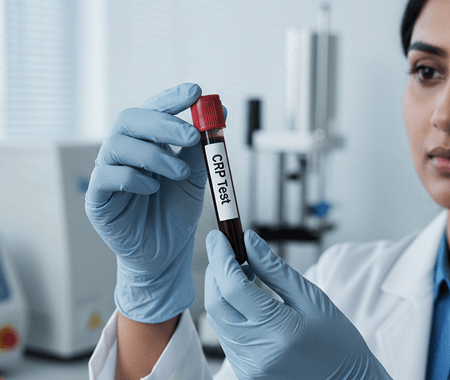
The C-Reactive Protein (CRP) test measures the level of CRP, a protein produced by the liver in response to inflammation. CRP rises rapidly during infection, tissue injury, or inflammatory diseases, making it a sensitive marker of inflammation. It is widely used in acute and chronic disease monitoring.
Why Is This Test Recommended?
CRP testing is recommended for suspected infections, autoimmune disorders, and inflammatory conditions. It helps in cardiovascular risk assessment and monitoring response to treatment. CRP levels rise quickly with inflammation and fall as the condition resolves, making it useful for tracking disease activity.
What Do the Results Indicate?
Elevated CRP levels indicate active inflammation but do not specify the cause. Normal levels suggest absence of significant inflammation. High CRP may indicate infection, tissue injury, autoimmune disease, or cardiovascular risk. Results must be interpreted alongside clinical symptoms and other tests.
How Is the Test Performed and Prepared For?
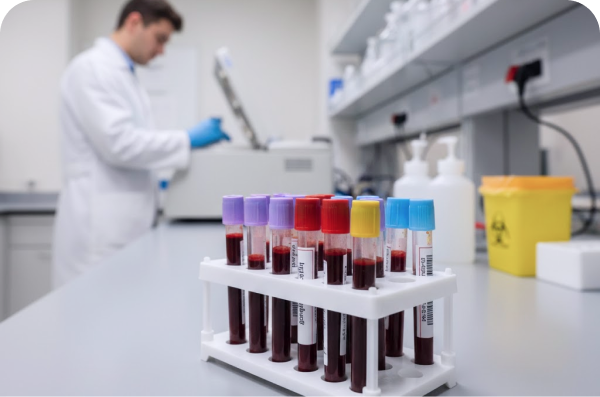
A blood sample is collected through standard venipuncture for laboratory analysis. No fasting is required unless combined with other tests.
Frequently Asked Questions (FAQs)
Is CRP disease-specific?
No; CRP is a non-specific marker that rises with any inflammatory process.Can it detect infection severity?
Yes; higher CRP levels generally correlate with more severe inflammation or infection.Is it useful in heart disease?
Yes; high-sensitivity CRP (hs-CRP) helps assess cardiovascular disease risk.Does CRP rise quickly?
Very quickly; CRP levels can increase within hours of inflammation onset.Is repeat testing common?
Yes; serial CRP measurements help monitor disease progression and treatment response.