






Know More About This Test
HbA1c reflects average blood sugar over 2–3 months by measuring glucose bound to hemoglobin. It is the gold-standard diabetes monitoring test, unaffected by daily sugar fluctuations, and useful for both diagnosis and follow-up.
Why Is This Test Recommended?
This test is recommended for:
Diabetes diagnosis
Long-term glucose control monitoring
Treatment effectiveness evaluation
Risk assessment for complications
Screening high-risk individuals
Understanding HbA1c Levels
Normal: <5.7%
Prediabetes: 5.7–6.4%
Diabetes: ≥6.5%
Lower targets reduce complications, though certain conditions can alter results.
Symptoms or Conditions That May Require This Test
Known diabetes
Obesity
Family history of diabetes
Gestational diabetes history
Neuropathy or vision changes
How Do I Prepare for the Test?
No fasting required. Blood sample is collected via vein and can be done anytime. The test is safe and simple.
How Is the Test Performed?
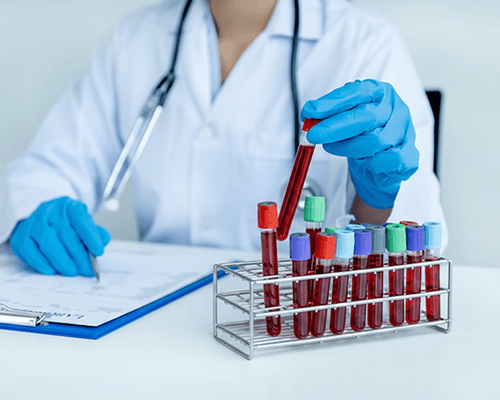
A blood sample is collected from a vein in your arm.
What Happens After the Test?
High values require therapy adjustment and help guide medication decisions. The test is used to assess complication risk and is repeated every 3 months. Results should be correlated with self-monitoring blood glucose (SMBG).
Frequently Asked Questions (FAQs)
Is fasting required?
No, HbA1c does not require fasting and can be performed at any time of day.Does anemia affect HbA1c?
Yes, certain types of anemia and blood disorders can falsely lower or raise HbA1c levels, requiring alternative testing methods.Is it diagnostic?
Yes, HbA1c ≥6.5% can be used to diagnose diabetes, along with supporting clinical and laboratory findings.How often tested?
Every 3–6 months; diabetic patients typically test every 3 months if poorly controlled, or every 6 months if well-controlled.Is it better than fasting sugar?
For long-term control; HbA1c provides a comprehensive picture of glucose control over months, while fasting sugar shows only a single time point.