

Know More About This Test
This blood test detects IgG and IgM antibodies against Herpes Simplex Virus type 1 (HSV-1) and type 2 (HSV-2). HSV-1 commonly causes oral herpes, while HSV-2 is more often associated with genital herpes.
The test helps differentiate between recent infection (IgM) and past exposure (IgG).
Why Is This Test Recommended?
It is recommended in individuals with genital or oral sores, recurrent ulcers, unexplained fever, or for STD screening and antenatal evaluation.
What Do the Results Indicate?
Positive IgM suggests recent infection, while positive IgG indicates past exposure. Many individuals may be asymptomatic carriers.
How Is the Test Performed and Prepared For?
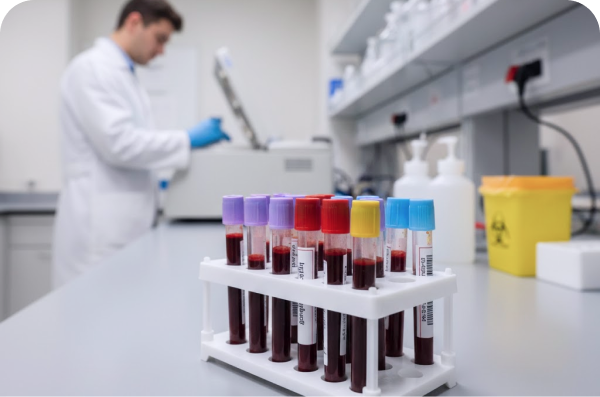
A blood sample is collected via a simple venipuncture from a vein in the arm, which is quick and causes minimal discomfort.
No fasting is required, so you can eat and drink normally beforehand, making it convenient for routine check-ups or urgent needs.
Inform your doctor about any recent symptoms or medications, as they may provide context for interpreting results accurately.
Frequently Asked Questions (FAQs)
Does positive mean active disease?
Not always—a positive result, especially for IgG, often indicates past exposure rather than an active outbreak, as the virus can remain latent in nerve cells. Active disease is typically confirmed by symptoms like sores or viral culture; consult your doctor for a full assessment, including possible antiviral therapy if needed.Can HSV remain dormant?
Yes, HSV frequently stays dormant after initial infection, residing in sensory nerves without causing symptoms for months or years. Triggers like stress, illness, or sunlight can reactivate it, leading to recurrent episodes; understanding this helps in managing expectations and preventive measures like daily suppressive therapy for frequent recurrences.Is HSV curable?
No, but manageable—there's no cure for HSV as it integrates into the body's nerve cells lifelong, but antiviral medications like acyclovir or valacyclovir can shorten outbreaks, reduce severity, and lower transmission risk by up to 50%. Lifestyle strategies, such as stress reduction and condom use, further aid in controlling it effectively.Can it spread without symptoms?
Yes, asymptomatic shedding occurs when the virus is present on the skin or mucous membranes without visible sores, allowing transmission during intimate contact. This happens in about 10–20% of days for HSV-2 carriers; regular use of antivirals and open communication with partners significantly minimizes this risk.Is it included in STD profiles?
Often, yes - HSV testing is commonly part of comprehensive STD panels, especially for those at higher risk or during pregnancy screening, alongside tests for syphilis, HIV, and chlamydia. However, it's not always routine due to high seroprevalence (up to 50% for HSV-1 globally); request it specifically if you have symptoms or exposure concerns.