







Know More About This Test
C-Reactive Protein (CRP) is a blood test that measures the level of CRP, a protein produced by the liver in response to inflammation. CRP levels rise rapidly during infections, tissue injury, autoimmune diseases, and chronic inflammatory conditions. It is a non-specific but highly sensitive marker of inflammation. CRP testing is widely used to assess disease severity, monitor treatment response, and evaluate cardiovascular risk when measured as high-sensitivity CRP (hs-CRP).
Why Is This Test Recommended?
CRP testing is recommended to detect acute or chronic inflammation, diagnose infections or autoimmune disorders, and monitor inflammatory disease activity. It helps assess cardiovascular disease risk using hs-CRP and tracks response to treatment in various conditions. CRP levels rise quickly within hours of inflammation and fall rapidly as the condition resolves. High CRP does not identify the cause but signals active inflammation somewhere in the body.
What Do the Results Indicate?
Normal CRP levels are typically below 1 mg/L. Moderate elevation suggests infection or inflammation. High levels above 10 mg/L indicate severe infection, trauma, or significant inflammatory disease. Results must be interpreted with clinical symptoms and other tests to identify the underlying cause.
How Is the Test Performed and Prepared For?
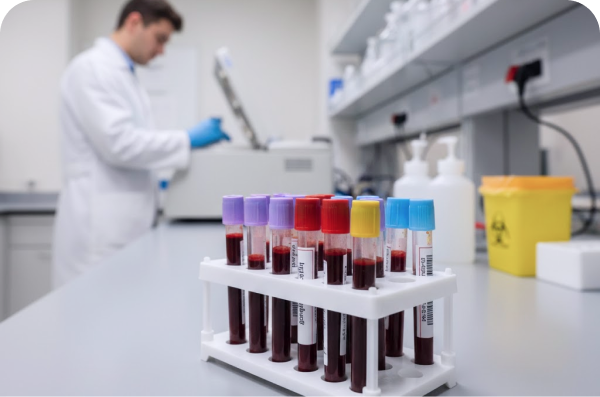
A blood sample is collected through standard venipuncture for laboratory analysis. No fasting is required for this test. Inform your doctor about recent infections or inflammatory conditions.
Frequently Asked Questions (FAQs)
Does high CRP mean infection?
Not always; CRP can be elevated in many conditions including autoimmune disease, trauma, or inflammation.Is CRP used for heart disease?
Yes, hs-CRP; high-sensitivity CRP helps assess cardiovascular disease risk and inflammation.Can stress raise CRP?
Mildly; chronic stress may cause minor elevations but usually not significant changes.Is fasting needed?
No; CRP testing does not require fasting preparation.Can CRP be normal in disease?
Sometimes; early infection or localized inflammation may not significantly raise CRP levels.