

Know More About This Test
The CA 19.9 (Pancreatic Cancer Marker), Serum test measures the level of Carbohydrate Antigen 19.9 in the blood. CA 19.9 is a tumor marker that may be elevated in certain cancers, especially pancreatic cancer, and in some cancers of the bile ducts, stomach, or colon. It is most commonly used to monitor treatment response, assess disease progression, and support follow-up after therapy.
It is important to understand that CA 19.9 is not a standalone screening or diagnostic test for cancer. Elevated levels may also occur in several non-cancerous conditions such as pancreatitis, bile duct obstruction, liver disease, gallstones, and jaundice. For this reason, results must always be interpreted along with symptoms, scans, examination findings, and other investigations.
Why Is This Test Recommended?
Your doctor may recommend this test to:
Monitor patients with known pancreatic cancer
Assess response to cancer treatment
Help detect recurrence after treatment
Support evaluation of suspected pancreatic or biliary disease
Interpret symptoms such as jaundice, unexplained weight loss, or upper abdominal pain along with other tests
Symptoms or Conditions That May Require This Test
Unexplained jaundice
Persistent upper abdominal pain
Unexplained weight loss
Loss of appetite
Persistent digestive complaints
Known pancreatic or biliary tract cancer
Follow-up after cancer treatment
Suspected pancreaticobiliary obstruction
Why Do I Need This Test?
If your doctor is evaluating pancreatic or gastrointestinal disease, this test can provide supportive information. In people already diagnosed with cancer, serial CA 19.9 values may help track treatment response or indicate the need for further review. It is most useful when used with imaging and clinical findings rather than on its own.
How Do I Prepare for the Test?
No fasting is usually required unless advised along with other tests
Inform your doctor about any liver disease, pancreatitis, gallstones, jaundice, or cancer history
Share details of ongoing treatment, surgery, chemotherapy, or radiation if applicable
How Is the Test Performed?
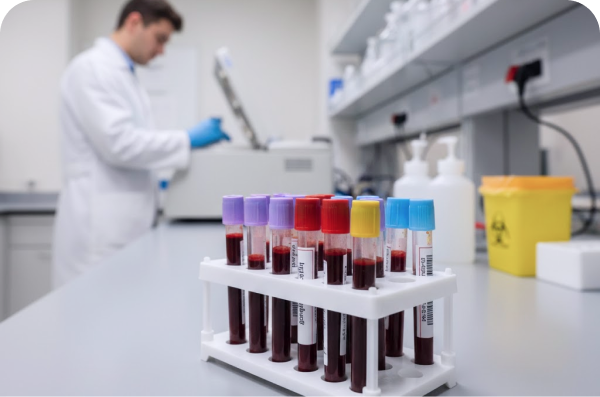
A blood sample is collected from a vein in your arm and sent to the laboratory for analysis. The procedure is simple and usually takes only a few minutes.
What Do the Results Mean?
High CA 19.9: May be seen in pancreatic cancer, biliary tract cancer, and certain gastrointestinal cancers, but can also occur in non-cancerous conditions such as pancreatitis, cholangitis, liver disease, and bile duct obstruction
Falling levels during treatment: May suggest a positive response to treatment
Rising levels after treatment: May suggest persistent disease, recurrence, or need for further evaluation
Normal levels: Do not completely rule out cancer, as some patients may have normal values despite disease
What Should I Do If Results Are Abnormal?
An abnormal result should always be discussed with your doctor. Further evaluation may include imaging studies, liver function tests, pancreatic evaluation, or additional tumor marker and specialist review depending on your condition.
Factors That Can Affect Results
Pancreatitis
Bile duct obstruction
Jaundice
Liver disease
Gallstones
Gastrointestinal inflammation
Cancer treatment status
FAQs
Is CA 19.9 a cancer screening test?
No. It is not used alone as a general screening test for cancer.Can non-cancer conditions increase CA 19.9?
Yes. Pancreatitis, jaundice, bile duct blockage, and liver disease can raise CA 19.9 levels.Is this test useful after cancer treatment?
Yes. It is often used to monitor treatment response and detect possible recurrence during follow-up.Do I need fasting for this test?
Usually no, unless your doctor has ordered it with other fasting investigations.Can a normal CA 19.9 rule out pancreatic cancer?
No. A normal result does not completely rule out cancer, so clinical evaluation and imaging remain important.