





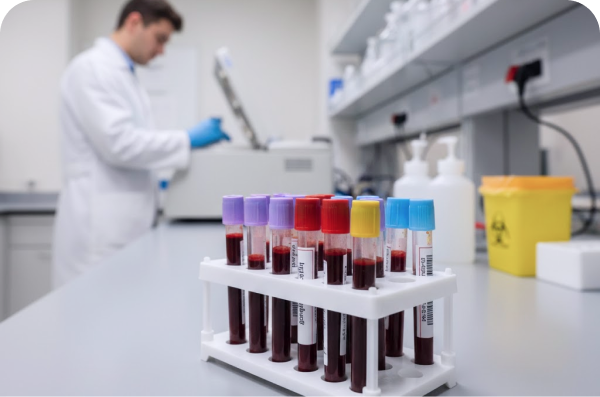


Know More About This Test
This is a pre-procedural evaluation before cardiac catheterization that assesses blood, kidney, and clotting status. It ensures procedural safety, prevents contrast-related complications, and is a standard hospital-based protocol panel.
Why Is This Test Recommended?
This profile is recommended for:
Planned coronary angiography
Cardiac intervention procedures
Risk stratification
Baseline organ function assessment
Emergency cardiac care
Tests Commonly Included
CBC (Complete Blood Count)
Renal function tests
Coagulation profile
Blood sugar
Electrolytes
Conditions Requiring This Profile
Coronary artery disease
Acute coronary syndrome
Valvular heart disease
Cardiomyopathy
High-risk cardiac patients
How Do I Prepare for the Test?
Fasting is usually required. Blood samples are collected, consent is taken, and testing is performed before the procedure under hospital supervision.
What Happens After the Test?
Abnormal results may delay the procedure. Kidney function is critical for contrast use, coagulation status is assessed, and results guide peri-procedural management to improve safety outcomes.
Frequently Asked Questions (FAQs)
Is it mandatory?
Yes, pre-angiography testing is mandatory to ensure patient safety and identify potential risks before cardiac catheterization.Is it same for all hospitals?
Varies; while core tests are similar, specific panels may differ based on hospital protocols and individual patient risk factors.Is fasting required?
Usually; fasting for 6-8 hours is typically required for accurate blood sugar and lipid measurements.Does it replace angiography?
No, this profile is a preparatory safety assessment, not a replacement for the diagnostic angiography procedure itself.Is it repeated?
Sometimes; repeat testing may be needed if results are abnormal, if there's a significant delay before the procedure, or post-procedure for monitoring.