

Know More About This Test
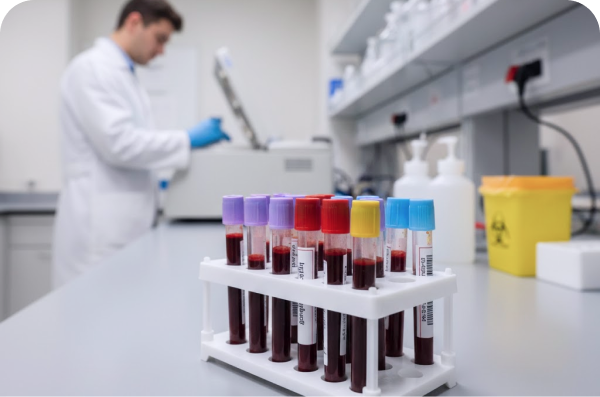
A Coagulation Profile evaluates the blood’s ability to clot properly. It typically includes PT, INR, and aPTT, which assess different pathways of the clotting cascade. This test is essential before surgeries, during anticoagulant therapy, or when unexplained bleeding occurs.
It helps prevent surgical bleeding complications and diagnose clotting disorders.
Why Is This Test Recommended?
Pre-operative screening
Monitor blood thinners
Investigate bleeding disorders
Liver disease assessment
Understanding Coagulation
Abnormal clotting can cause excessive bleeding or unwanted clots. Liver function, vitamin K levels, and medications influence results.
Who Needs This Test?
Patients before surgery
People on warfarin
Those with bleeding tendencies
Preparation
No fasting required
Inform doctor about anticoagulants
Results Interpretation
Normal INR: ~0.9–1.2
High INR: Bleeding risk
Low INR: Clotting risk
FAQs
Is this test urgent before surgery? Yes, this test is urgent before surgery to ensure safe clotting function and minimize risks like excessive bleeding or thrombosis, often performed within days of the procedure.
Can food affect INR? Yes, foods rich in vitamin K, such as leafy greens, broccoli, or green tea, can affect INR by influencing blood clotting factors, so consistent intake is advised for those on anticoagulants.
Is it repeated often? Yes, it is repeated often—typically weekly or monthly—for patients on blood thinners like warfarin to adjust dosages and maintain therapeutic levels.
Does liver disease alter results? Yes, liver disease alters results by impairing the production of clotting factors, often leading to prolonged PT/aPTT times and increased bleeding risk, making this test crucial for monitoring liver function.
Is it painful? No, it is not painful beyond the brief discomfort of a standard blood draw from a vein, which usually causes only minor bruising that resolves quickly.