

Estradiol is the primary estrogen hormone, produced by the ovaries, placenta, and adrenal glands regulates menstrual cycle and fertility is essential for bone and cardiovascular health key hormone in reproductive evaluation
Why Is This Test Recommended?
Infertility evaluation
Menstrual irregularities
Ovarian function assessment
Menopause evaluation
Assisted reproduction monitoring
Understanding Estradiol Levels
Levels vary across menstrual cycle
Low levels indicate ovarian failure
High levels seen in PCOS or tumors
Monitored during IVF cycles
Age-specific interpretation required
Symptoms or Conditions Requiring Testing
Irregular periods
Hot flashes
Infertility
Delayed puberty
Hormonal imbalance symptoms
Preparation and Procedure
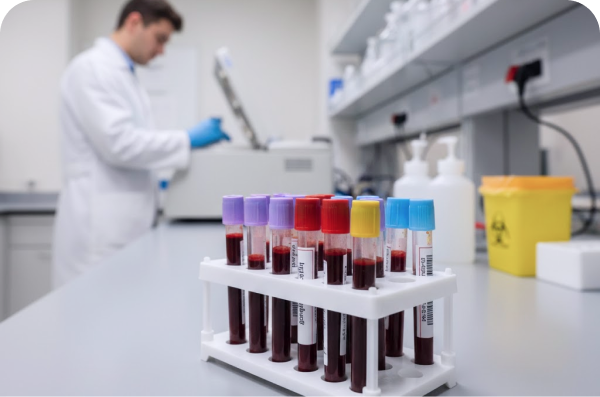
Blood test via vein
No fasting required
Timing of cycle is crucial
Inform about hormone therapy
Safe and quick
Interpretation & Follow-Up
Abnormal levels guide fertility treatment
Combined with FSH, LH testing
Helps diagnose menopause
Repeated testing often needed
Treatment individualized
FAQs
Does cycle day matter?
Yes, the day of your menstrual cycle significantly impacts estradiol levels, as they fluctuate naturally—peaking mid-cycle during ovulation and dropping afterward. Testing is often timed to specific phases (e.g., day 3 for baseline or day 21 for luteal phase) to provide accurate insights; discuss the optimal timing with your doctor based on your symptoms or treatment plan.
Is fasting needed?
No, fasting is not required for an estradiol blood test, allowing you to eat and drink normally beforehand. This makes the process straightforward, though staying hydrated can make the blood draw easier—always follow any specific instructions from your healthcare provider to ensure reliable results.
Is it done in men?
Rarely, but yes—estradiol testing can be performed in men to evaluate conditions like gynecomastia, infertility, or hormonal imbalances related to low testosterone. Levels are typically much lower in men, and the test helps assess overall endocrine health when symptoms warrant it.
Can stress affect levels?
Yes, chronic stress can indirectly influence estradiol levels by disrupting the hypothalamic-pituitary-ovarian axis, potentially leading to irregular cycles or imbalances. While acute stress has minimal impact, managing stress through exercise, meditation, or therapy can support hormonal stability—mention any stressors to your doctor for context in interpreting results.
Is it essential for IVF?
Yes, monitoring estradiol is crucial during in vitro fertilization (IVF) cycles to track follicle development, assess ovarian response to stimulation, and time egg retrieval accurately. Serial tests help adjust medication dosages, improving success rates—your fertility specialist will integrate these results with ultrasounds for a comprehensive monitoring protocol.