

Know More About This Test
The Ferritin test measures the amount of ferritin, a protein that stores iron in the body. It reflects the body's iron reserves and is one of the most reliable indicators of iron deficiency or overload.
Ferritin levels can also rise during inflammation, making interpretation context-dependent.
Why Is This Test Recommended?
Ferritin testing is recommended in suspected iron deficiency anemia, chronic fatigue, hair loss, abnormal CBC results, or monitoring iron therapy. It is also used to assess iron overload conditions.
What Do the Results Indicate?
Low ferritin levels indicate depleted iron stores and iron deficiency. High levels may suggest iron overload, liver disease, infection, or chronic inflammation.
How Is the Test Performed and Prepared For?
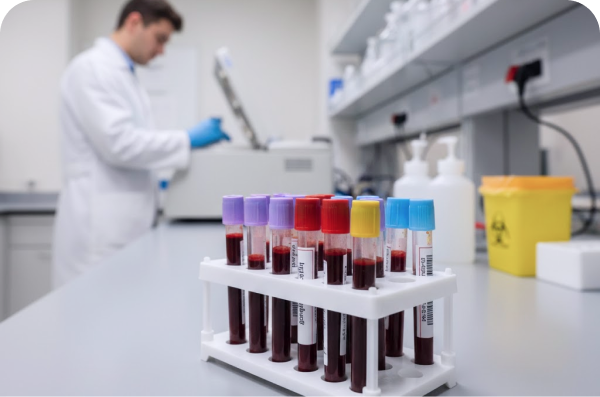
A blood sample is collected. Fasting is not mandatory. Iron supplements should be disclosed.
Frequently Asked Questions (FAQs)
Is ferritin better than serum iron?
Yes, ferritin is a more reliable indicator of iron stores as it's less affected by daily variations and dietary intake compared to serum iron.Can ferritin be high in infection?
Yes, ferritin acts as an acute phase reactant and can be elevated during infections, inflammation, or chronic diseases, complicating interpretation.Does low ferritin cause hair fall?
Commonly, low ferritin levels are associated with hair loss, particularly in women, even before anemia develops.Is supplementation always needed?
Depends; iron supplementation is needed for confirmed deficiency, but high ferritin may require different management or further investigation.Should it be monitored regularly?
In anemia; regular monitoring is important during iron therapy to assess response and prevent iron overload, typically tested every 2-3 months.