







Know More About This Test
The HCV test is used to detect infection caused by the Hepatitis C virus, which primarily affects the liver. Chronic HCV infection can lead to liver cirrhosis, liver failure, and liver cancer if left untreated.
Early detection is essential as Hepatitis C often remains asymptomatic for years.
Why Is This Test Recommended?
This test is recommended for individuals with abnormal liver function tests, history of blood transfusions, intravenous drug use, needle exposure, or symptoms of liver disease such as jaundice and fatigue.
What Do the Results Indicate?
A positive result indicates exposure to the virus and may require confirmatory testing. A negative result suggests no detectable infection.
How Is the Test Performed and Prepared For?
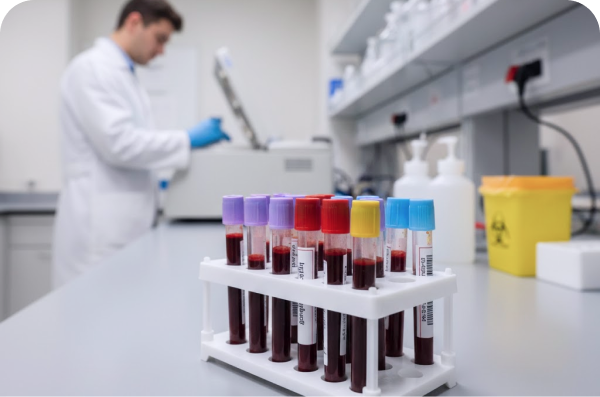
A blood sample is collected. No fasting is required. Additional tests may be advised if results are positive.
Frequently Asked Questions (FAQs)
Is HCV curable?
Yes, with treatment; modern antiviral medications can cure Hepatitis C in most cases, typically within 8-12 weeks, with cure rates exceeding 95% when treatment is completed as prescribed.
Is it contagious?
Yes, through blood; Hepatitis C spreads primarily through contact with infected blood, such as sharing needles, contaminated medical equipment, or rarely through sexual contact or mother-to-child transmission.
Can it be asymptomatic?
Very often; most people with Hepatitis C have no symptoms for years or even decades, which is why routine screening is important for those at risk to detect the infection early.
Is repeat testing required?
Sometimes; repeat testing may be needed to confirm initial positive results, monitor viral load during treatment, verify cure after therapy completion, or retest after potential re-exposure.
Does it affect the liver only?
Mainly; while Hepatitis C primarily affects the liver causing inflammation and damage, it can also lead to complications in other organs including kidneys, joints, and blood vessels over time.