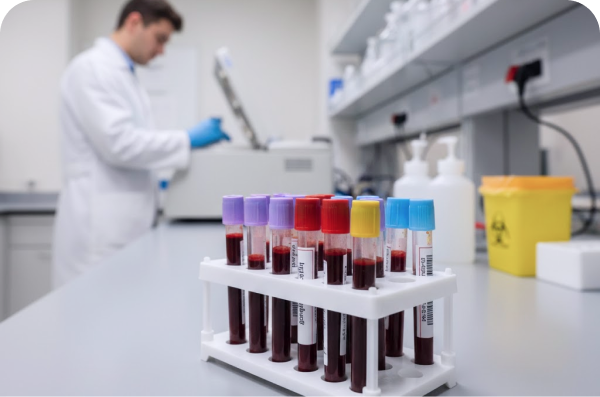


Know More About This Test
The HIV 1 & 2 Antibodies, Serum-Elisa Method test is a blood investigation used to detect antibodies produced by the immune system in response to infection with Human Immunodeficiency Virus (HIV) types 1 and 2. HIV is a virus that attacks the body's immune system, especially CD4 cells, and if left untreated may gradually weaken the body's ability to fight infections and certain cancers.
This test is commonly used as a screening test for HIV infection. The ELISA method is a widely used laboratory technique for detecting HIV antibodies with good sensitivity. Because many people with HIV may not have symptoms in the early stages, testing plays an important role in early detection, timely medical care, and prevention of further transmission.
Why Is This Test Recommended?
This test may be recommended to:
screen for HIV infection after possible exposure
support evaluation of unexplained weight loss, recurrent fever, or repeated infections
perform routine antenatal screening during pregnancy
complete pre-surgical, pre-employment, or health screening requirements
screen individuals during sexual health checkups or before blood donation as advised
Symptoms or Conditions That May Require This Test
This test may be advised in the following situations:
known or suspected exposure through unprotected sexual contact
exposure to infected blood or shared needles
persistent fever, recurrent infections, or unexplained tiredness
unexplained weight loss, chronic diarrhea, or prolonged weakness
routine pregnancy screening or pre-procedure screening
Why Do I Need This Test?
HIV infection may remain silent for a long time. Early diagnosis helps people start the right treatment sooner, protect their long-term health, and reduce the risk of passing the infection to others. This is why timely screening is important, especially after possible exposure or when advised by your doctor.
How Is the Test Performed and Prepared For?
A blood sample is collected from a vein in the arm using a simple venipuncture procedure.
No fasting is required, so you can eat and drink normally before the test.
Inform your doctor about the date of possible exposure, any previous HIV testing, or ongoing treatment, as these details may help with interpretation.
What Does the HIV 1 & 2 Antibodies Test Measure?
This test measures antibodies produced by the body against HIV-1 and HIV-2. These antibodies usually appear after a window period following infection, which means very early infection may not always be detected immediately by an antibody-only test.
What Do the Results Mean?
Non-Reactive (Negative): No detectable HIV-1 or HIV-2 antibodies were found at the time of testing. This usually suggests no infection, but recent exposure may still require repeat testing after the advised window period.
Reactive (Positive): HIV antibodies were detected. This suggests possible HIV infection and requires confirmatory testing as advised by your doctor.
What Should I Do If My Result Is Reactive?
A reactive result should be discussed with your doctor promptly. Confirmatory testing is required before a final diagnosis is made. If infection is confirmed, early treatment and regular follow-up can help maintain long-term health and reduce transmission risk.
Can Results Be Affected by Other Factors?
Yes. The most important factor is the window period after recent exposure, during which antibodies may not yet be detectable. This is why doctors may advise repeat testing if exposure was recent.
Frequently Asked Questions (FAQs)
What does the HIV 1 & 2 Antibodies test detect?
It detects antibodies your body makes against HIV-1 and HIV-2. A positive result suggests exposure and needs confirmation with further testing as advised by your doctor.How should I prepare for a HIV 1 & 2 Antibodies test?
No fasting is required for this blood test. You can take this test at any time of day. If other fasting tests are booked together, follow the fasting advice for those.Can this test detect HIV immediately after exposure?
Not always. There is a window period after exposure during which antibodies may not yet be detectable. If exposure was recent, your doctor may advise repeat testing after the appropriate interval.Does a positive result mean I definitely have HIV?
A reactive antibody test suggests possible infection, but confirmation with additional tests is required before a final diagnosis is made.Is my HIV test result confidential?
Yes. Your report is handled confidentially and shared with you and your treating doctor as per standard laboratory practice.