


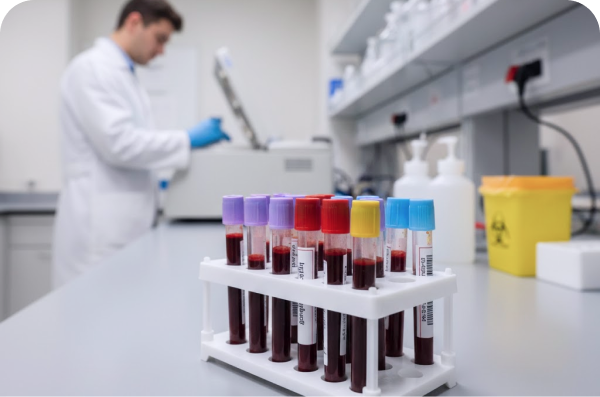


Understanding A Master Health Checkup
A Master Health Check Up is a comprehensive, preventive health screening designed to give you a complete picture of your current health status and help detect potential issues early, often before symptoms arise. Think of it as your body's annual inspection, essential for maintaining well-being and taking proactive steps toward a healthier life.
In today's fast-paced world, many common health conditions, particularly lifestyle-related ones like diabetes, high blood pressure, and high cholesterol, often develop silently. By the time noticeable symptoms appear, the condition may be advanced and more challenging to treat. A Master Health Check Up is specifically designed to intercept these warning signs at an early stage, when intervention is most effective. This proactive approach significantly boosts your chances of early detection, complete recovery from illnesses, and guides you in making informed lifestyle choices.
What is a Master Health Check Up?
A Master Health Check Up typically bundles a wide array of tests and screenings into a single, comprehensive package. It simplifies the process of monitoring your well-being by providing a thorough examination that assesses the health and function of multiple vital systems and organs, including the heart, lungs, liver, and kidneys.
The specific components of a Master Health Check Up can vary between providers, but they are generally structured to cover the most critical indicators of overall health. The process often begins with a discussion of your medical history, family health history, and current lifestyle factors such as diet, physical activity, weight, and any substance use. A physical examination, including checking vital signs like blood pressure and heart rate, is also standard.
Key Components and Tests Included:
The core of the Master Health Check Up lies in the laboratory and imaging tests. These screenings provide objective data about your internal health.
Blood Profile Tests: These are foundational and yield insights into metabolism, organ function, and overall blood health.
Complete Blood Count (CBC): Measures key blood components such as hemoglobin, hematocrit, and platelet count, helping to screen for conditions like anemia, infection, and other blood disorders.
Comprehensive Metabolic Panel (CMP): Assesses your metabolism, and the function of your liver and kidneys. This includes measurements for glucose, liver enzymes, and kidney function markers.
Lipid Profile Test: Crucial for assessing cardiovascular risk, this panel measures cholesterol levels (Total, LDL, HDL) and triglycerides. High levels can indicate a risk of heart disease.
Blood Glucose Test (and HbA1c): Screens for diabetes and pre-diabetes. The HbA1c test gives an average blood sugar level over the past few months.
Thyroid Function Test: Measures thyroid hormone levels to check for hyperthyroidism or hypothyroidism, which can impact metabolism and energy.
Electrolyte Panel: Checks the balance of electrically charged minerals (like sodium and chloride) that help regulate fluid and acid-base balance.
Urine Analysis:
Urine Analysis (Routine): Detects possible infections, renal issues, or signs of diabetes.
Imaging and Physical Assessments:
Chest X-Ray: Provides images of the heart and lungs to look for signs of infections or other abnormalities.
USG Abdomen (Ultrasound): Examines the internal organs in the abdomen, such as the liver, gallbladder, and kidneys, to assess their structure and health.
Electrocardiogram (ECG/EKG): Records the electrical activity of the heart to detect any irregularities or signs of heart stress.
Depending on the specific package, further specialized screenings may be included based on age, gender, and risk factors, such as the Prostate Specific Antigen (PSA) test for men, cancer screening tests, or specialized hormone testing.
Symptoms or Conditions That May Require This Package
You may benefit from this checkup if you:
Are above the age of 30 and have not had a comprehensive health evaluation in the past year
Have a family history of chronic conditions such as heart disease, diabetes, hypertension, or cancer
Experience persistent fatigue, unexplained weight changes, frequent infections, or vague abdominal discomfort
Have a sedentary lifestyle, high-stress work environment, or known unhealthy dietary habits
Are a smoker, consume alcohol regularly, or have occupational exposure to environmental toxins
Have pre-existing conditions such as obesity, hypothyroidism, or a history of liver or kidney disease requiring periodic monitoring
Why Do I Need the Master Health Check Up (BL + RADIO)?
Comprehensive health packages assist in determining a person's risk factors for several diseases, allowing for the proactive mitigation of these risks, and can help regulate or postpone inherited disorders.
Many serious health conditions - including early-stage fatty liver, kidney disease, lung pathology, and metabolic disorders are entirely asymptomatic in their initial stages and are only discoverable through systematic screening.
By combining laboratory and radiology investigations in a single, structured package, this checkup eliminates the guesswork from preventive healthcare and gives both the patient and their doctor a clear, evidence-based understanding of current health status.
Early detection through this package can lead to timely interventions that prevent the progression of manageable conditions into life-threatening illnesses.
Advantages of the Master Health Check Up (BL + RADIO)
The defining advantage of this package over standard blood-only panels is the inclusion of radiology.
Full body checkups are indispensable for early detection of health issues, screenings on a regular basis can identify any health issues early on, facilitating prompt intervention and treatment.
The chest X-ray screens for lung infections, cardiac enlargement, and pleural abnormalities that an ECG or blood test would not capture, while the abdominal ultrasound provides real-time imaging of the liver, gallbladder, kidneys, spleen, and pancreas organs that frequently harbor silent disease.
Together, the blood investigations and imaging components complement each other, creating a holistic health assessment that no single test category can achieve alone. Having a comprehensive body examination once a year helps save long-term healthcare costs by avoiding major medical bills in the future.
How Do I Prepare for the Master Health Check Up (BL + RADIO)?
An overnight fast of 10–12 hours is required before the checkup.
Avoid alcohol for at least 48 hours before the checkup.
Wear comfortable, loose clothing on the day of the checkup.
Inform the consulting physician of all current medications.
For the abdominal ultrasound, a full bladder is sometimes preferred; drink 2–3 glasses of water 30 minutes before the scan and avoid urinating immediately before it unless instructed otherwise.
Carry previous health reports or investigations if available.
Women should inform the clinic if they are pregnant or menstruating, as this may affect certain lab values and the approach to some investigations including the Pap smear component.
What Do the Results Mean?
Results from this package span multiple organ systems and require holistic interpretation:
Normal results across all parameters indicate good overall health status and serve as a valuable baseline for future annual comparisons.
Abnormal blood parameters such as elevated sugar, lipids, liver enzymes, or kidney markers indicate metabolic dysfunction requiring dietary, lifestyle, or pharmacological intervention.
Reactive viral markers require confirmatory testing and specialist consultation before a diagnosis is established.
Radiology findings such as fatty liver on ultrasound or an abnormal shadow on chest X-ray typically prompt further dedicated imaging (CT scan, MRI) or specialist referral for a definitive diagnosis.
Borderline or mildly abnormal values do not always indicate disease — they are best interpreted by a physician in context with the patient's age, symptoms, and health history.
Lifestyle Tips to Maximize the Benefits of This Checkup
Use the health check as a starting point, not a one-time event schedule it annually so that results can be tracked and compared year on year for meaningful trend analysis.
Follow up all abnormal results with the appropriate specialist promptly rather than waiting for symptoms to develop.
Adopt a balanced diet rich in whole grains, lean proteins, healthy fats, and fresh fruits and vegetables to support the healthy function of every organ system assessed in this package.
Engage in at least 30 minutes of moderate-intensity physical activity five days a week to reduce metabolic, cardiovascular, and hepatic disease risk.
People may make educated lifestyle decisions by learning about their health condition through consultations and test findings. Use the physician consultation at the end of the checkup to ask specific questions about your results and seek tailored lifestyle guidance.
Quit smoking and limit alcohol consumption, as both are directly linked to the most common abnormalities detected in this package - lung pathology, liver dysfunction, and cardiovascular risk.
Frequently Asked Questions (FAQs)
Is fasting required?
Yes - a 10–12 hour overnight fast is mandatory before the checkup for accurate blood sugar and lipid results; plain water is permitted.
Can I take my regular medications before the checkup?
Inform the consulting doctor about all medications at the time of registration; most can be continued, but specific drugs may require timing adjustments.
Is the chest X-ray safe for annual use?
Yes - the radiation dose from a routine chest X-ray is extremely low and is considered safe for annual preventive screening in adults.
Are radiology tests done on the same day as the blood tests?
Yes - in most facilities offering this package, all investigations including blood tests, ECG, X-ray, and ultrasound are completed in a single visit on the same day.
How often should I get this checkup done?
An annual checkup is recommended, or as directed by your doctor based on your health status.