





Know More About This Test
Serum Bilirubin (Indirect) measures unconjugated bilirubin, a breakdown product of hemoglobin formed after red blood cell destruction. This form is transported to the liver for conjugation. Elevated indirect bilirubin often reflects increased RBC breakdown or impaired hepatic uptake. This test helps differentiate between hemolytic disorders and liver dysfunction.
Why Is This Test Recommended?
Evaluation of jaundice, suspected hemolytic anaemia, neonatal jaundice assessment, and liver disease investigation. Indirect bilirubin is fat-soluble and not excreted in urine. Elevated levels indicate excessive RBC destruction or impaired liver processing.
What Do the Results Indicate?
Yellowing of skin/eyes, dark stools, fatigue, and anaemia may indicate abnormal indirect bilirubin levels requiring evaluation.
How Is the Test Performed and Prepared For?
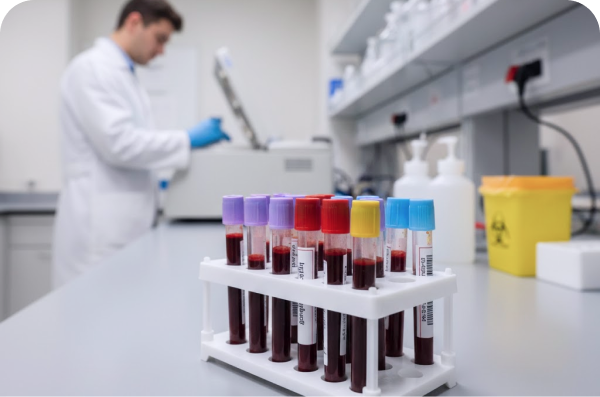
A blood sample is collected through standard venipuncture for laboratory analysis.
Frequently Asked Questions (FAQs)
Is indirect bilirubin dangerous?
High levels can be; severely elevated indirect bilirubin may indicate significant hemolysis or liver dysfunction requiring medical attention.Can fasting affect results?
Mildly; prolonged fasting may cause slight elevation in indirect bilirubin levels.Is it tested alone?
Usually with total/direct bilirubin; testing all three helps identify the specific cause of elevated bilirubin.Can Gilbert's syndrome raise it?
Yes; this benign genetic condition commonly causes mild elevation of indirect bilirubin.Is treatment always needed?
Depends on cause; mild elevation may not require treatment, while severe cases need intervention.