

Know More About This Test
The Serum Bilirubin test measures bilirubin levels in the blood, a yellow pigment formed from the breakdown of red blood cells. It is assessed as Total Bilirubin, Direct (conjugated), and Indirect (unconjugated) bilirubin. The liver processes bilirubin and excretes it through bile. Any disruption in liver function, bile flow, or red blood cell destruction can raise bilirubin levels.
This test plays a key role in diagnosing jaundice, liver diseases, bile duct obstruction, and hemolytic disorders. It is routinely included in liver evaluations and pre-surgical screenings.
Why Is This Test Recommended?
Doctors recommend this test to:
Diagnose jaundice and its underlying cause
Evaluate liver function and bile duct patency
Detect hepatitis, cirrhosis, or gallstones
Monitor newborn jaundice
Assess unexplained yellowing of eyes or skin
Understanding Serum Bilirubin
Total bilirubin reflects overall bilirubin load, while direct bilirubin indicates how well the liver conjugates and excretes it. Elevated indirect bilirubin suggests hemolysis or genetic conditions like Gilbert syndrome. Raised direct bilirubin usually points to liver or bile duct disease.
Symptoms or Conditions That May Require This Test
Yellowing of skin or eyes
Dark urine or pale stools
Fatigue or abdominal pain
Liver disease history
Alcohol-related liver issues
How Do I Prepare for the Test?
Fasting may be advised for 6–8 hours. Avoid alcohol 24 hours prior. Inform your doctor about medications.
How Is the Test Performed?
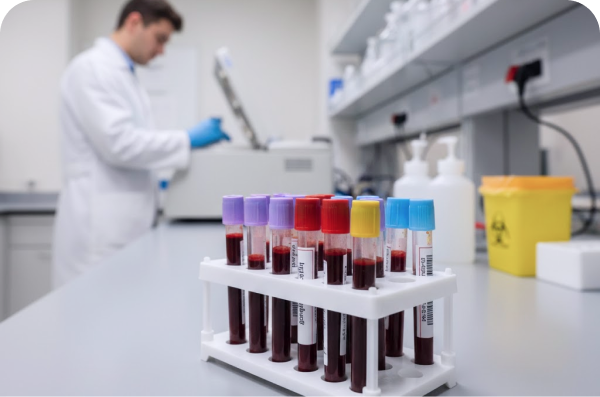
A blood sample is collected from a vein in your arm.
What Do the Results Mean?
Normal Total: ~0.3–1.2 mg/dL
High Direct: Liver or bile obstruction
High Indirect: Hemolysis or inherited disorders
Lifestyle Tips to Support Healthy Bilirubin Levels and Liver Function
Avoid alcohol entirely or limit consumption strictly, as alcohol is one of the most common preventable causes of elevated bilirubin and progressive liver damage
Maintain a healthy body weight through a balanced diet and regular physical activity, as obesity and non-alcoholic fatty liver disease (NAFLD) are increasingly prevalent causes of impaired bilirubin metabolism
Eat a liver-friendly diet rich in fresh fruits, vegetables, whole grains, and lean proteins while minimizing processed foods, trans fats, and refined sugars
Stay well hydrated, as adequate fluid intake supports efficient liver and kidney function in processing and excreting bilirubin
Avoid self-medicating with over-the-counter drugs — particularly paracetamol in excessive doses — especially if you consume alcohol, as this combination carries a significant risk of acute liver toxicity
Ensure timely vaccination against Hepatitis A and B, and follow safe practices to prevent exposure to hepatitis viruses, which are among the leading causes of elevated bilirubin globally
Frequently Asked Questions (FAQs)
Is bilirubin always related to liver disease?
No, it can also rise due to blood disorders like hemolytic anemia or inherited conditions affecting bilirubin processing.Can dehydration increase bilirubin?
Yes, mildly; dehydration can concentrate bilirubin levels, causing slight elevation.Is fasting compulsory?
Often recommended; fasting for 6–8 hours helps ensure accurate results, though not always mandatory.Can medicines affect results?
Yes, antibiotics and contraceptives can; certain medications affect bilirubin metabolism or liver function.Is it dangerous if levels are high?
Depends on cause; needs evaluation; mild elevations may be benign, but significant increases require investigation.