






Know More About This Test
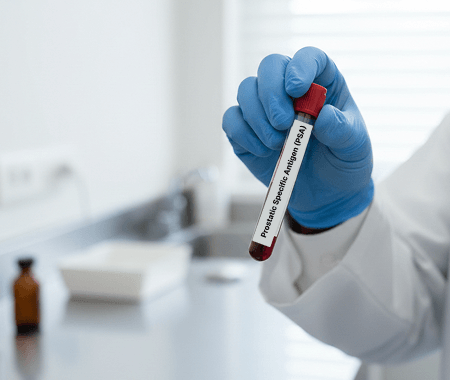
PSA is a glycoprotein enzyme produced exclusively by prostate epithelial cells. It helps liquefy semen, allowing sperm motility. Small amounts normally leak into the bloodstream. Elevated serum levels indicate prostate gland disruption and are widely used for screening, diagnosis, and monitoring of prostate disorders.
Why Is This Test Recommended?
This test is recommended for:
Early detection of prostate cancer in men above 50
Evaluation of urinary symptoms, such as weak stream or hesitancy
Monitoring response to prostate cancer treatment
Detecting recurrence after prostate surgery or radiation
Differentiating benign prostate enlargement from malignancy
Understanding PSA Levels
Normal PSA is generally <4 ng/mL, but age-adjusted values are preferred. PSA increases naturally with age and prostate size. Rapid rise (PSA velocity) is more concerning than absolute value. Free vs Total PSA ratio improves cancer risk prediction. Mild elevation does not automatically mean cancer.
Symptoms or Conditions That May Require This Test
Frequent urination, especially at night
Difficulty starting or stopping urine flow
Pelvic or lower back pain
Blood in urine or semen
Family history of prostate cancer
How Do I Prepare for the Test?
Avoid ejaculation for 24–48 hours before testing. Do not undergo PSA testing immediately after prostate exam. No fasting required.
How Is the Test Performed?
A blood sample is collected from a vein. The test is completed within minutes.
What Happens After the Test?
Elevated PSA may indicate cancer, prostatitis, or BPH (benign prostatic hyperplasia). Sudden spikes suggest inflammation or infection. Consistently rising values require further evaluation. Normal PSA does not fully exclude cancer. Biopsy decision depends on PSA trend plus clinical findings.
Frequently Asked Questions (FAQs)
Is PSA cancer-specific?
No, PSA can be elevated due to various prostate conditions including cancer, BPH, prostatitis, or even after certain procedures.Can infection raise PSA?
Yes, prostate infection or inflammation (prostatitis) can significantly raise PSA levels temporarily.Should PSA be repeated?
Often yes; a single elevated PSA should be confirmed with repeat testing, and trends over time are more informative than isolated values.Is PSA useful after surgery?
Very; PSA monitoring after prostate cancer surgery is crucial for detecting recurrence, as levels should drop to nearly undetectable.Does age affect PSA?
Significantly; PSA naturally increases with age as the prostate enlarges, which is why age-adjusted reference ranges are important.