

Know More About This Test
AST (Aspartate Aminotransferase) is an enzyme - a protein that speeds up certain chemical reactions in the body. It is found mainly in the liver but also in the heart, muscles, kidneys, and other tissues. Usually, low levels of AST are present in the blood.
When the liver or other cells that contain AST are damaged, they release AST into the blood, leading to high AST levels.
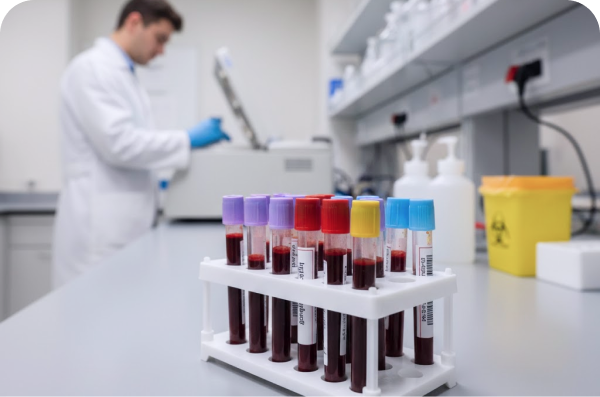
The AST/SGOT test is a diagnostic blood test that evaluates the concentration of this enzyme in the bloodstream.
SGOT plays a vital role in amino acid metabolism, facilitating the transfer of amino groups. While normal SGOT levels are typically low, elevated levels can indicate tissue damage, especially in organs like the liver, heart, or muscles.
Elevated AST levels often signify conditions such as hepatitis, cirrhosis, or myocardial infarction, prompting further diagnostic investigation and treatment planning. The test is a cornerstone of liver function panels.
Why Is This Test Recommended?
You may need this test to:
Assess liver health by measuring the levels of AST in the blood.
Diagnose liver conditions such as hepatitis A, B and C, autoimmune hepatitis, primary biliary cholangitis, and primary sclerosing cholangitis.
Monitor liver function as part of routine blood screenings designed to track the overall health of the liver over time.
Guide treatment decisions for diseases like hepatitis C or any form of liver damage based on enzyme level trends.
Evaluate heart health when a heart attack or myocarditis is suspected, as heart muscle damage also releases AST into the blood.
Monitor the effectiveness of antiviral therapy for Hepatitis C and detect worsening liver function before symptoms appear
Symptoms or Conditions That May Require an AST/SGOT Test
You may need this test if you experience:
Jaundice - yellowing of the skin or whites of the eyes
Dark-coloured urine or pale stools
Nausea, vomiting, or persistent loss of appetite
Right-sided abdominal pain or unexplained abdominal swelling
Unexplained fatigue or general weakness
Risk factors such as a family history of liver disease, alcohol use disorder, obesity, diabetes, or exposure to hepatitis viruses
Muscle disorders including vigorous exercise, muscle trauma, or muscular dystrophy, which can also elevate AST levels
Advantages of the AST/SGOT Test
The AST/SGOT test is fast, affordable, and minimally invasive, requiring only a small blood sample yet delivering clinically significant information about liver, heart, and muscle health in a single result.
This test is commonly performed alongside other liver function tests, such as the Alanine Aminotransferase (ALT/SGPT) test, to assess liver health and diagnose conditions like hepatitis, cirrhosis, or alcohol-related liver disease.
It is also included in liver function panels for high-risk groups such as those with diabetes and obesity, and is used in pre-operative evaluations to ensure safe surgery and recovery.
How Do I Prepare for the AST/SGOT Test?
An 8–12 hour overnight fast is generally recommended before the test.
Stay well hydrated before the blood draw.
Disclose all medications, supplements, and herbal products.
Mention any recent muscle injuries, heart issues, or intense exercise before the test.
Avoid alcohol for at least 24–48 hours before the test.
How Is the Test Performed and Prepared For?
A blood sample is collected. Fasting may be advised. Alcohol consumption should be avoided before testing.
What Do the Results Indicate?
General reference ranges for AST/SGOT, Serum:
Normal: 10–40 U/L for adults (values may vary slightly by laboratory, age, sex, and assay method used)
Mildly Elevated (40–120 U/L): May indicate early or mild liver inflammation, fatty liver disease, or the effect of medications or alcohol
Moderately Elevated (120–300 U/L): Associated with conditions such as alcoholic hepatitis, chronic viral hepatitis, or muscle damage
Markedly Elevated (above 300 U/L): Very high AST values peaking at 500–3000 U/L are seen in acute viral hepatitis; chemical injury or toxin-related necrosis can also cause significant elevation
Low AST: Causes of low AST include uremia and vitamin B6 deficiency these are less commonly clinically significant but worth nothing
Lifestyle Tips to Support Liver Health and Healthy AST Levels
Avoid alcohol or limit intake strictly, as alcohol is one of the most common causes of elevated AST and progressive liver damage.
Maintain a healthy body weight through a balanced diet and regular exercise, as obesity is a major risk factor for non-alcoholic fatty liver disease.
Track disease progression and evaluate treatment effectiveness with regular monitoring.
Avoid self-medicating with over-the-counter pain relievers such as paracetamol (acetaminophen) in excessive doses.
Eat a liver-friendly diet rich in fresh vegetables, fruits, whole grains, and lean proteins while minimizing processed foods, trans fats, and refined sugars.
Ensure timely vaccination against Hepatitis A and B, and follow safe practices to prevent exposure to blood-borne hepatitis viruses.
Frequently Asked Questions (FAQs)
Is fasting required?
An 8–12 hour overnight fast is generally recommended for best accuracy; always confirm specific requirements with your doctor or laboratory at the time of booking.How long do results take?
Results are typically available within 24–48 hours.What is a normal AST/SGOT level?
A normal range is generally 10–40 U/L for adults, though reference intervals may vary slightly by laboratory, age, and sex.Does a high AST always mean liver disease?
No - elevated AST can result from heart muscle damage, skeletal muscle injury, intense exercise, pancreatitis, or certain medications, in addition to liver conditions.What is the difference between AST (SGOT) and ALT (SGPT)?
SGPT (ALT) is primarily found in the liver and is considered a more liver-specific enzyme, whereas SGOT (AST) is present in a wider range of tissues including the heart, muscles, and kidneys - making elevated AST potentially indicative of damage in any of these organs, not exclusively the liver.How often should I get this test done?
The frequency of SGOT testing depends on individual health conditions. People with chronic liver diseases, heart conditions, or ongoing medication use that affects the liver may require regular monitoring.Can I test AST alone or must it be part of a liver panel?
AST can be measured as a standalone test, but it is most informative when interpreted alongside ALT, GGT, alkaline phosphatase, and bilirubin as part of a complete Liver Function Test (LFT) panel.