




Know More About This Test
The Surgical Profile is a comprehensive preoperative blood panel including complete blood count (CBC), kidney function tests (KFT), liver function tests (LFT), electrolytes, coagulation profile (PT/INR/APTT), blood sugar, and sometimes thyroid function tests. It ensures hemoglobin >10 g/dL, creatinine <1.5 mg/dL, normal clotting times, and balanced electrolytes for safe anesthesia and surgery, identifying reversible issues before complications occur. Doctors require this panel for all major surgeries, elective procedures, and emergency operations to optimize patient condition and minimize perioperative risks.
Why Is This Test Recommended?
Surgical Profile testing is recommended to confirm fitness for anesthesia and surgical procedures, detect preoperative anemia requiring correction, and assess kidney and liver function for medication clearance. It evaluates clotting ability to prevent excessive bleeding and checks electrolyte balance to avoid heart rhythm problems. This complete panel identifies correctable issues such as anemia, infection, electrolyte imbalance, liver dysfunction, and clotting disorders, enabling optimization 1-2 weeks before elective surgery.
Symptoms or Conditions That May Require This Profile
You may need this test if:
You are scheduled for any elective or emergency surgical procedure
You are undergoing a cardiac catheterization, angiogram, or angioplasty
You have pre-existing conditions such as diabetes, hypertension, or kidney disease
Your doctor suspects anemia, a bleeding disorder, or abnormal clotting
You are over the age of 40 and undergoing a major surgical procedure
You have a history of liver disease or known risk factors for Hepatitis B or C
How Is the Test Performed and Prepared For?
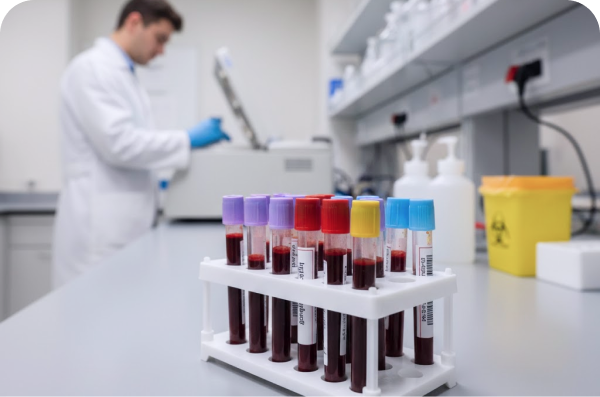
A comprehensive blood sample is collected through single venipuncture using multiple tubes (EDTA, citrate, serum) for different analyses. Fasting for 8-12 hours is required for glucose accuracy. Avoid biotin supplements for 72 hours before testing, and inform your doctor about current medications (especially aspirin), recent antibiotics, and herbal supplements, as these may affect results.
What Happens After the Test?
Resume normal activities immediately after blood collection; mild bruising at the puncture site is normal and resolves on its own.
Avoid heavy lifting or strenuous exercise for a few hours if bruising occurs.
Your surgeon or cardiologist will review the results and confirm your procedure date or recommend further investigations if any parameter is abnormal.
Normal results usually indicate clearance to proceed with the planned surgery or cath lab procedure.
When Should I Consult a Doctor After the Test?
Contact your doctor promptly if:
Any viral marker (HIV, HBsAg, or Anti-HCV) returns a reactive or positive result
PT/INR values are significantly elevated, suggesting abnormal clotting
Serum creatinine is elevated, indicating impaired kidney function
ECG reveals an arrhythmia or other abnormality
The CBC shows severe anemia, low platelets, or a very high white blood cell count
Blood sugar or potassium levels are critically outside the normal range
What Do the Results Indicate?
All normal results indicate green light to proceed with surgery. Mild abnormalities require 1-2 week optimization through interventions like iron supplementation, electrolyte correction, or vitamin K administration. Significant issues may necessitate surgery delay or postponement, while critical values require emergency intervention. Results guide preoperative optimization plans and ASA Physical Status classification for anesthesia risk assessment.
Lifestyle Tips
Eat a balanced diet rich in iron, protein, and vitamins in the weeks before surgery to support healing and reduce anemia risk.
Avoid smoking and alcohol for at least 48 hours before the procedure, as both can affect anesthesia response and blood clotting.
Manage blood sugar carefully if you are diabetic; uncontrolled glucose increases surgical complication risk.
Get adequate rest the night before the procedure and follow all fasting instructions given by your hospital.
Frequently Asked Questions (FAQs)
Mandatory before major surgery?
Yes; anesthesia safety protocols require comprehensive preoperative testing to identify and address any issues that could increase surgical or anesthetic risks.Fasting duration needed?
8-12 hours; this fasting period is necessary primarily for glucose accuracy, though it also helps standardize other measurements in the panel.Hemoglobin minimum surgery?
>10 g/dL; this is the transfusion threshold below which surgery may be delayed to correct anemia and reduce perioperative complications.Abnormal results cancel surgery?
Usually not; most abnormalities can be optimized within 1-2 weeks through medical intervention, allowing surgery to proceed safely after correction.Multiple tubes painful?
No; a single venipuncture with efficient collection into multiple tubes causes minimal discomfort, with only minor bruising possible at the puncture site.