

Know More About This Test
The Thyroxine Total (T4), Serum test measures the total amount of thyroxine hormone present in your blood. Thyroxine, also called T4, is one of the main hormones produced by the thyroid gland and plays a major role in regulating metabolism, energy production, body temperature, heart function, and overall growth and development.
This test measures both the bound and free forms of T4 circulating in the blood. Because most T4 is attached to proteins, the total T4 value reflects the overall hormone level rather than only the active portion. Doctors often interpret this result together with TSH and sometimes T3 to assess thyroid gland function more accurately.
Why Is This Test Recommended?
Your doctor may advise this test to:
Evaluate symptoms of hypothyroidism or hyperthyroidism
Assess thyroid gland function
Monitor ongoing thyroid treatment
Investigate abnormal TSH results
Help diagnose thyroid disorders such as goiter or thyroiditis
Symptoms or Conditions That May Require This Test
Unexplained tiredness or weakness
Weight gain or weight loss
Hair fall or dry skin
Feeling unusually cold or hot
Palpitations or rapid heartbeat
Anxiety, irritability, or restlessness
Constipation
Menstrual irregularities
Swelling in the neck or suspected thyroid enlargement
Why Do I Need This Test?
The thyroid gland influences many important body functions. Even mild hormone imbalance can affect energy levels, mood, heart rate, body weight, and menstrual health. Measuring total T4 helps doctors identify whether the thyroid may be underactive or overactive and whether additional testing or treatment is needed.
How Do I Prepare for the Test?
No fasting is usually required unless advised with other tests
Inform your doctor about thyroid medication, steroids, oral contraceptives, and supplements
Biotin supplements should ideally be stopped for 48–72 hours before testing, if medically appropriate
If you are already taking thyroid replacement medicine, your doctor may advise the best timing for sample collection
How Is the Test Performed?
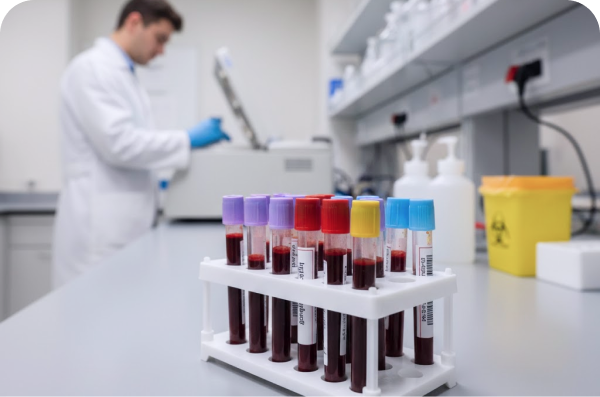
A blood sample is collected from a vein in your arm and sent to the laboratory for analysis. The procedure is quick and usually completed within a few minutes.
What Do the Results Mean?
High Total T4: May suggest hyperthyroidism, excess thyroid medication, or certain thyroid conditions
Low Total T4: May suggest hypothyroidism, pituitary dysfunction, or other medical conditions affecting thyroid hormone production
Normal Total T4: Usually indicates normal thyroid hormone levels, but interpretation should always be done with TSH, T3, symptoms, and medical history
What Should I Do If Results Are Abnormal?
If your result is outside the normal range, your doctor may advise additional thyroid testing such as TSH, Free T4, T3, or thyroid antibody tests. Treatment depends on the underlying cause and should be guided by a qualified healthcare professional.
Factors That Can Affect Results
Thyroid medicines
Biotin supplements
Pregnancy
Birth control pills or estrogen therapy
Steroids and certain other medicines
Severe illness
Changes in blood protein levels
FAQs
Is Total T4 different from Free T4?
Yes. Total T4 measures both bound and free hormone, while Free T4 measures only the active unbound hormone.Do I need fasting for this test?
Usually no, unless your doctor has ordered it along with other fasting blood tests.Can medicines affect the result?
Yes. Thyroid medicines, oral contraceptives, steroids, and biotin supplements may affect the test result.Can this test alone diagnose thyroid disease?
Not always. It is usually interpreted along with TSH, T3, symptoms, and clinical findings.Can I do this test from home?
Yes, home sample collection can be used if available.