

Know More About This Test
Transferrin Saturation is a calculated blood parameter that reflects the percentage of transferrin (the main iron-transport protein in blood) that is bound to iron. It provides a clearer picture of how efficiently iron is being transported and utilized in the body. This test is especially valuable when used alongside serum iron, ferritin, and TIBC to evaluate iron metabolism.
Unlike serum iron alone, transferrin saturation helps differentiate between iron deficiency, anemia of chronic disease, and iron overload disorders, making it an essential part of comprehensive anemia evaluation.
Why Is This Test Recommended?
Doctors recommend transferrin saturation testing when anemia is suspected, iron studies show inconsistent results, or when assessing conditions such as iron deficiency anemia, hemochromatosis, chronic infections, or liver disease. It is also useful for monitoring iron therapy effectiveness.
What Do the Results Indicate?
Low transferrin saturation suggests iron deficiency or impaired iron absorption. Elevated values may indicate iron overload conditions or excessive iron supplementation. Interpretation must consider other iron parameters and clinical context.
How Is the Test Performed and Prepared For?
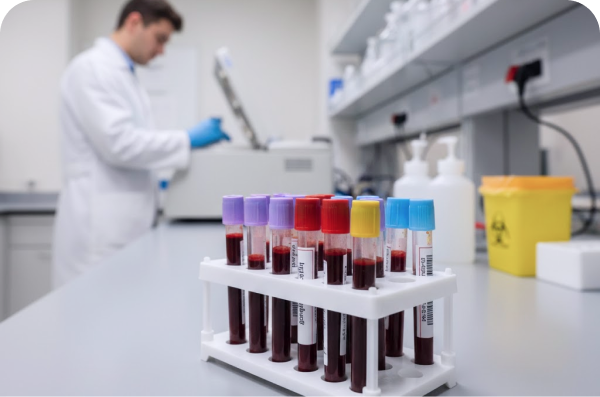
A blood sample is collected, preferably in a fasting state for better accuracy. Iron supplements should be disclosed prior to testing.
Frequently Asked Questions (FAQs)
Is this test done alone?
Usually with iron studies; transferrin saturation is typically performed as part of a comprehensive iron panel that includes serum iron, ferritin, and TIBC to provide a complete assessment of iron status and metabolism.Does low saturation always mean anemia?
Not always; while low transferrin saturation often indicates iron deficiency, it doesn't necessarily mean anemia is present yet, as iron stores may be depleted before hemoglobin levels drop significantly enough to cause clinical anemia.Can inflammation affect results?
Yes, inflammation and chronic diseases can affect transferrin saturation results by altering iron distribution in the body, often causing lower values even when total body iron stores are adequate, which is why clinical context is important.Is fasting necessary?
Recommended; fasting for 8-12 hours before the test is recommended because food intake, especially iron-rich meals, can temporarily elevate serum iron levels and affect the accuracy of transferrin saturation calculations.