

Know More About This Test
The Well Women Health Checkup is a preventive, comprehensive screening package designed specifically for women. It assesses metabolic health, hormonal balance, reproductive health, and cancer risk markers. Early detection through this package can significantly reduce long-term health complications.
Why Is This Test Recommended?
The Well Women Health Checkup is recommended for preventive health assessment, early detection of lifestyle diseases, hormonal and reproductive health evaluation, cancer risk screening, and overall wellness monitoring. It is particularly important for women aged 25+, those with family history of chronic disease, women planning pregnancy, and perimenopausal women.
What Do the Results Indicate?
Results provide a comprehensive overview of metabolic health, hormonal balance, reproductive health, and cancer risk markers. Abnormal findings help identify early signs of lifestyle diseases, hormonal imbalances, nutritional deficiencies, or conditions requiring medical attention and lifestyle modifications.
How Is the Test Performed and Prepared For?
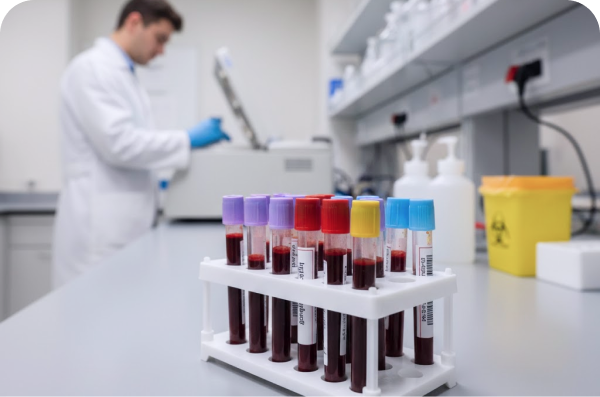
The checkup includes blood tests such as blood sugar, lipid profile, thyroid tests, CBC, vitamin levels, and sometimes imaging or PAP smear. Fasting for 8–10 hours is required. Avoid heavy exercise before the test.
Frequently Asked Questions (FAQs)
Is this test done annually?
Recommended yearly; annual screening helps track health trends, detect changes early, and maintain optimal wellness throughout different life stages.Does it replace gynecologist visits?
No; this checkup complements regular gynecological care but does not replace comprehensive gynecological examinations and consultations.Is fasting required?
Usually yes; fasting for 8-10 hours is typically required for accurate blood sugar and lipid profile measurements.Does it include cancer screening?
Basic screening; the package includes markers for common cancer risks, though specialized cancer screening may require additional tests.Can results guide lifestyle changes?
Yes; the comprehensive results help identify areas for improvement and guide personalized recommendations for diet, exercise, and preventive care.