Low Haemoglobin: Causes, Normal Range, Symptoms, and Blood Tests
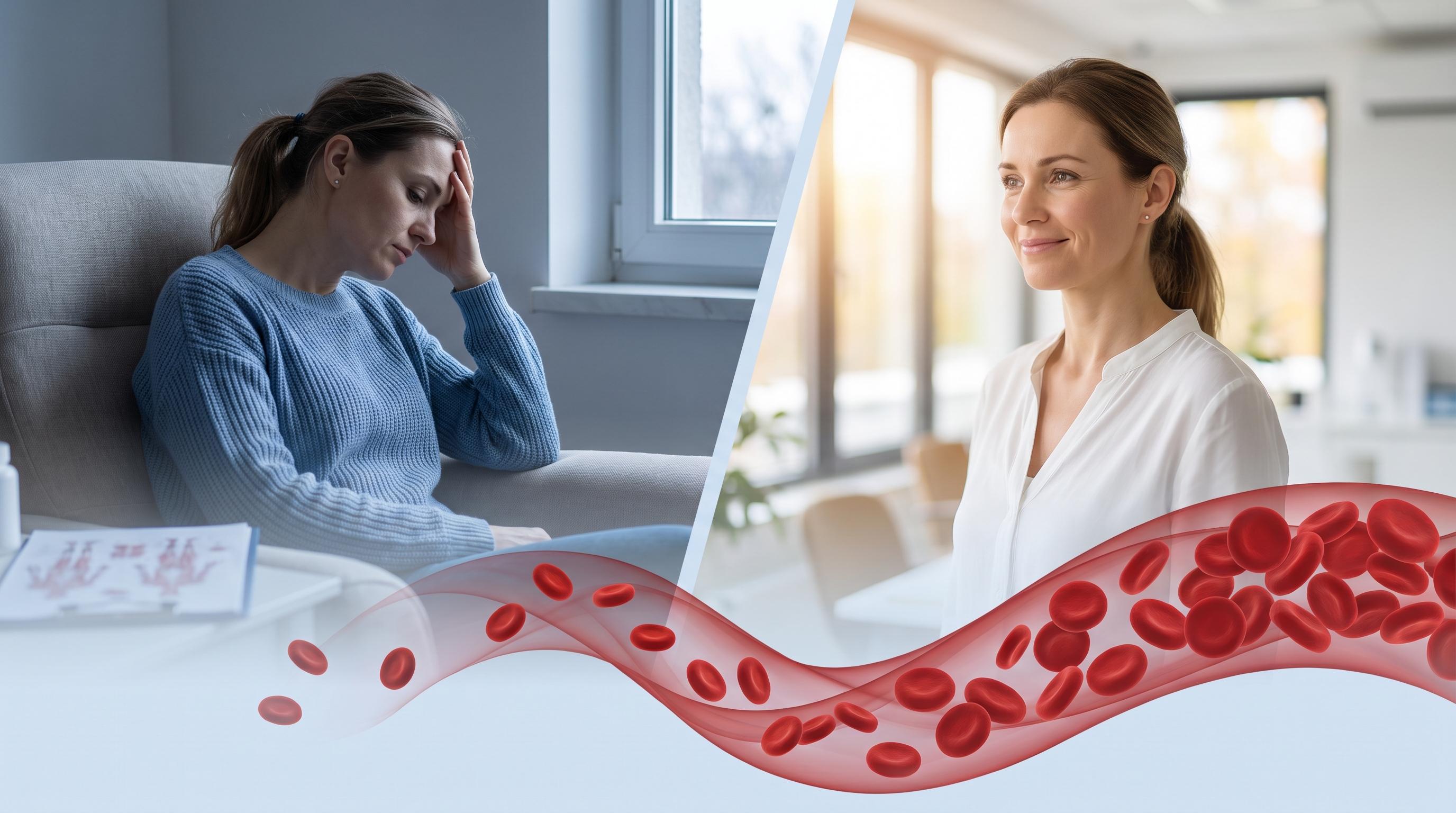
Low haemoglobin reduces your body's ability to supply oxygen, triggering fatigue, pale skin, and dizziness. Usually caused by iron shortages, nutritional gaps, blood loss, or underlying medical conditions, it is diagnosed through blood tests like a Complete Blood Count (CBC). Treatment requires a professional approach targeting the root cause through diet, supplements, or medical care.
Feeling tired all the time? Frequent dizziness or weakness could be due to low haemoglobin levels. A simple blood test can help identify the cause before symptoms become severe. These are often more than just signs of a busy lifestyle. They are classic warning signs of low haemoglobin, a condition that affects millions of people and often leads to conditions like anaemia.
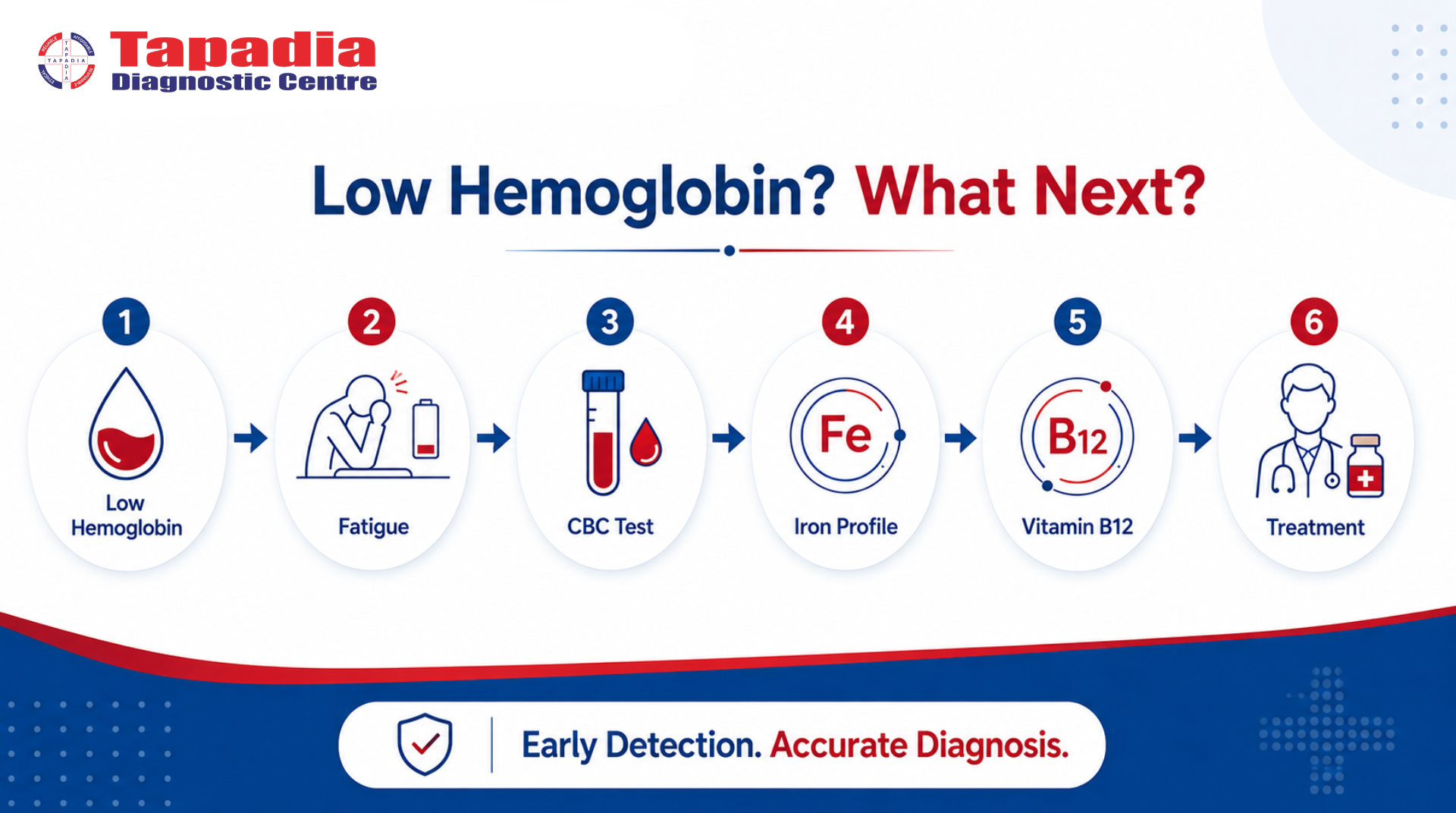
Understanding what haemoglobin does, why levels drop, and how doctors find the root cause is your first step toward getting your energy back.
What Is Haemoglobin and Why Does It Matter?
Hemoglobin (Hb) is a special iron-rich protein inside your red blood cells. Think of it as your body's delivery truck: it picks up oxygen from your lungs and drops it off at every tissue, organ, and muscle.
When your haemoglobin count drops too low, your organs get lower oxygen. This forces your heart and lungs to work extra hard, leaving you feeling constantly exhausted.
Normal Haemoglobin Ranges
Haemoglobin is measured in grams per deciliter (g/dL) of blood. Normal ranges change based on age, gender, and life stages like pregnancy:
Adult Men | 13.5 to 17.5 g/dL |
Adult Women | 12.0 to 15.5 g/dL |
Pregnant Women | 11.0 to 14.0 g/dL |
Children (6–12 years) | 11.5 to 15.5 g/dL |
Note: Exact cutoffs can vary slightly depending on the lab testing your blood sample.
Common Causes of Low Haemoglobin
A low haemoglobin count isn't a disease by itself it's a sign of an underlying issue. The main causes fall into three simple buckets:
1. Nutritional Deficiencies
Your body needs raw materials to build healthy red blood cells. A shortage of these nutrients slows down production:
Iron Shortage: The most common cause worldwide, usually due to a lack of iron in your diet, poor absorption, or ongoing blood loss.
Vitamin B12 & Folate Shortage: These vitamins help cells grow properly. Without them, your body makes oversized, faulty cells that cannot carry oxygen well.
2. Blood Loss
Losing blood means losing red blood cells faster than your body can make them:
Heavy Periods: Heavy or long monthly cycles frequently drain iron stores in women. Tests For Women can help readers explore related preventive screenings and health checks.
Chronic bleeding in stools: Prolonged bleeding from the gastrointestinal tract in conditions such as haemorrhoids, upper GI bleeds, etc can also cause reduced haemoglobin.
3. Underlying Health Conditions & Bone Marrow Issues
Some medical conditions directly block red blood cell creation:
Kidney Disease: Healthy kidneys make a hormone that tells your bone marrow to produce red blood cells. When kidneys struggle, this signal gets weak.
Chronic Inflammation: Long-term inflammatory conditions can trap your body's iron and stop it from making new blood cells.
Bone Marrow Problems: Rare conditions that directly affect the stem cells inside your bones where blood is made.
Signs and Symptoms to Watch For
A mild drop in haemoglobin might not cause any noticeable issues at first. But as levels drop further, your body starts sending warning signals:
Constant tiredness and muscle weakness, even after sleeping well
Pale skin, or pale inner eyelids, gums, and nail beds
Shortness of breath during light tasks or while resting
Frequent headaches and dizziness
Cold hands and feet
A fast or pounding heartbeat
Essential Tests to Find the Cause
If a doctor suspects your haemoglobin is low, they won't just guess they will order specific blood tests to find out why:
Test | What it checks |
|---|---|
Checks your haemoglobin level, red blood cell count, cell size and multiple other parameters. | |
Serum Iron Test | Measures how much iron is circulating in your bloodstream. |
Measures your stored iron and helps identify iron deficiency. | |
Vitamin B12 and Folate Tests | Checks for vitamin deficiencies that can affect red blood cell production. |
Stool Occult Blood Test | Looks for hidden bleeding in the digestive tract. |
Management and Nutritional Support
Treatment depends on the cause of low haemoglobin. Along with your doctor’s advice, iron-rich foods and a balanced diet can support recovery and help maintain healthy red blood cell levels.
Iron-rich animal foods: Lean red meat and liver are easier for the body to absorb.
Iron-rich plant foods: Lentils, beans, peas, chickpeas, and fortified cereals are good options.
Folate-rich vegetables: Spinach, kale, and broccoli help support healthy red blood cell production.
Improve absorption: Eat plant-based iron foods with vitamin C-rich foods like citrus fruits or bell peppers to help your body absorb more iron.
Key Takeaways: What You Need to Remember
Haemoglobin is your oxygen carrier: It is the iron-rich protein in your red blood cells responsible for fueling your entire body with vital oxygen.
It's a sign, not a disease: Low haemoglobin points to an underlying issue, most commonly iron shortage, nutritional gap, blood loss, or an underlying health condition.
Listen to your body: Constant fatigue, pale skin, dizziness, and shortness of breath are your body's early warning signals that it isn't getting enough oxygen.
Diagnosis requires proper testing: Simple blood tests like a Complete Blood Picture (CBP), Iron and ferritin checks are essential to find out the exact root cause.
Treatment targets the root cause: Fixing low haemoglobin involves more than just eating better; it requires a personalised medical approach whether through diet changes, supplements, or treating underlying health concerns guided by a professional.
Frequently Asked Questions (FAQs)
Anaemia is diagnosed based on Low haemoglobin and needs to be further categorised into the different types of anaemia. While anaemia is the most common reason for low haemoglobin counts, doctors must investigate further to find the exact root cause such as chronic blood loss, vitamin deficiencies, kidney dysfunction, or long-term inflammation.
Yes. When your body is low on iron and haemoglobin, it prioritizes sending oxygen to your vital organs (like your heart and brain) rather than non-essential tissues like hair follicles and nail beds. Over time, this can result in hair thinning, excessive shedding, and weak, spoon-shaped, or brittle nails.
The recovery timeline depends entirely on what caused the drop and how severe it is. If it is due to a mild iron deficiency, incorporating iron-rich foods and supplements under a doctor's guidance can often show noticeable improvements in blood counts within 4 to 8 weeks. However, severe deficiencies or underlying chronic illnesses can take several months to fully resolve.
Yes. Dehydration reduces the liquid portion of your blood (plasma), which can temporarily concentrate your red blood cells and artificially inflate your haemoglobin readings. This is known as relative polycythemia or hemoconcentration, meaning a true deficiency might be temporarily masked until you are properly rehydrated.
If you are trying to raise your haemoglobin levels through diet, certain foods and beverages can actually hinder your body's ability to absorb iron. These include tea and coffee (due to tannins), calcium-rich dairy products, and foods high in phytates (like unsprouted whole grains and legumes) when consumed at the same time as iron-rich meals.
Disclaimer: This content is for informational and educational purposes only. Tests should be ordered according to an individual clinical assessment and this article does not replace professional medical advice, diagnosis, or treatment.


We also provide Home diagnostic services