
Low Platelet Count: Causes, Dengue Risk, and Diagnostic Tests
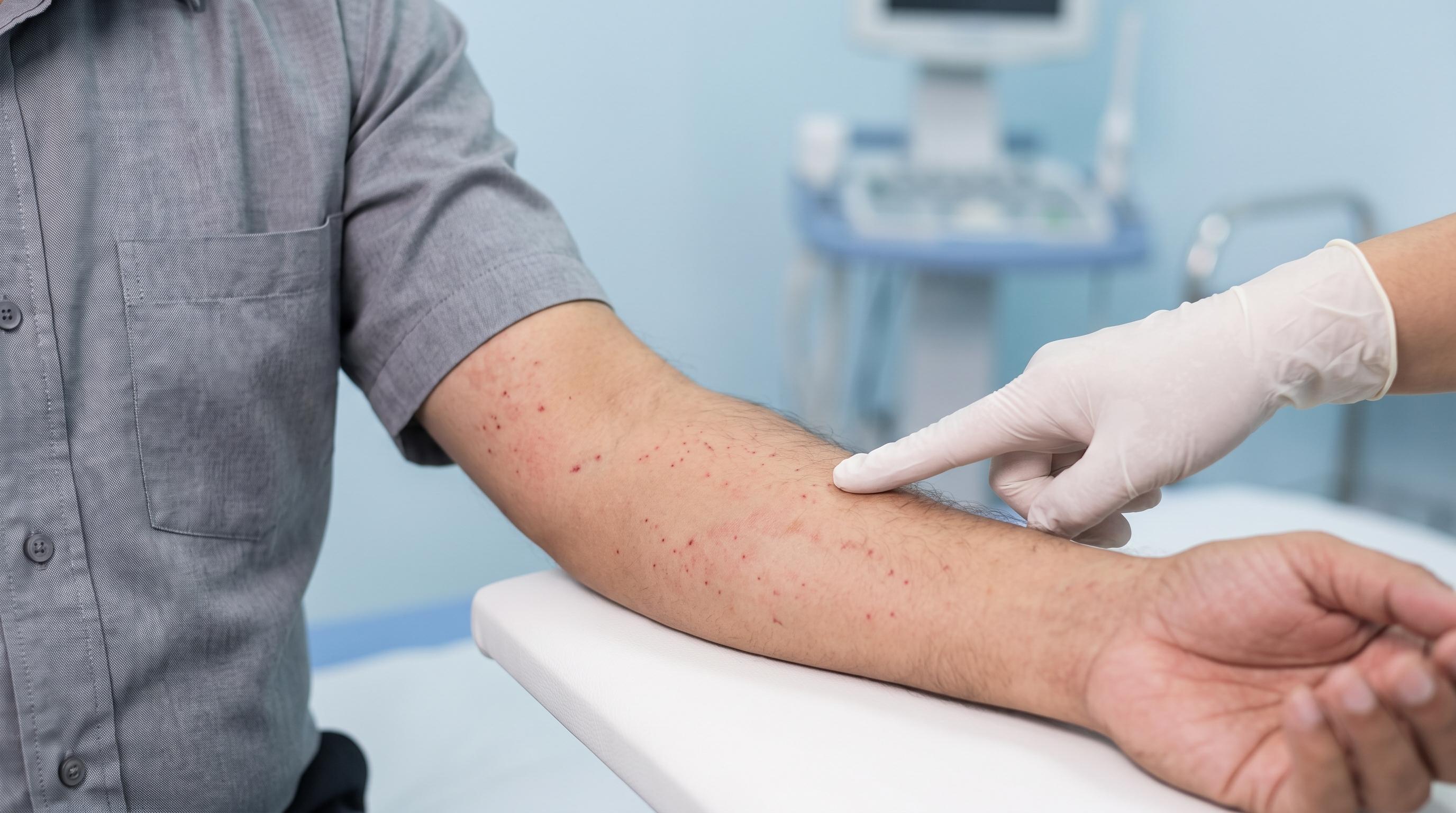
A low platelet count, medically called thrombocytopenia, means you have fewer than 150,000 platelets per microliter (µL) of blood, while the normal range is 150,000 to 450,000/µL. Platelets help your blood clot, so a low count can cause easy bruising, bleeding gums, nosebleeds, or, in severe cases, internal bleeding. Low platelets are not always caused by dengue; other causes include bone marrow problems, liver disease, vitamin B12 deficiency, autoimmune conditions such as ITP, and some medicines. If you have a low platelet count, do not panic or assume the cause. Start with a Complete Blood Count (CBC) to check your platelet level. First reconfirm the values by repeating the complete blood count as sometimes the counts may be spuriously low. If your count falls below 50,000/µL or you have warning signs such as black stools or severe stomach pain, seek immediate medical care.
Have you ever brushed your teeth and noticed your gums bleeding for no clear reason? Or maybe you spotted mysterious purple bruises on your legs after barely bumping into a desk?
When your body starts showing strange red dots or bleeding that takes too long to stop, it is easy to panic especially during viral season when everyone is whispering the word "Dengue". However, it is advisable not to jump to conclusions. First consultant a qualified medical professional.
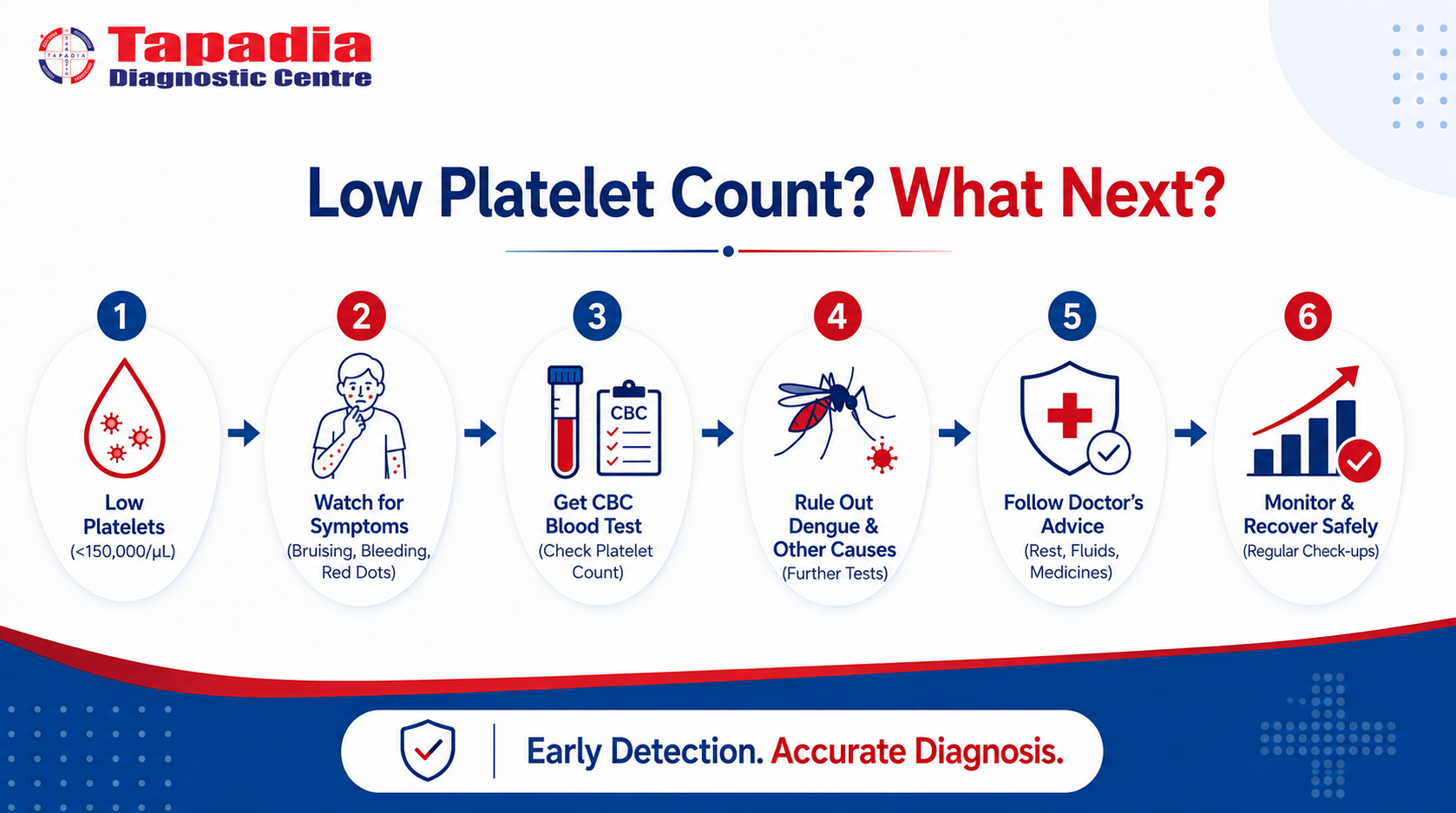
Your blood has tiny cells called platelets that help stop bleeding by sealing damaged blood vessels. When your platelet count becomes too low, your body may have trouble stopping bleeding, which can increase the risk of bruising and bleeding. However, also note that low platelets are not the only cause of bleeding. There are multiple other cause which may need to be evaluated.
Here is everything you need to know about what causes low platelets, how Dengue plays a role, the exact warning signs to watch for, and how a quick blood test can give you total peace of mind.
What is a Normal Platelet Count?
A normal platelet count for most healthy adults is 150,000 to 450,000 platelets per microliter (µL) of blood. Platelets help your body form clots and stop bleeding when you are injured. A count below 150,000/µL is considered low and is called thrombocytopenia. Your doctor may recommend a Complete Blood Count (CBC) to check your platelet level and understand what may be causing any changes. Establishing a baseline platelet count is important.
Common Symptoms of Low Platelets
If your platelet count is only slightly low, you may not notice any symptoms. As the count drops further, you may start to notice signs of unusual bleeding. Common symptoms include:
Easy Bruising: Large or dark-purple marks may appear even after minor bumps.
Tiny Red Spots: Small red or purple dots called petechiae may appear on the skin, often on the legs.
Frequent Bleeding: Nosebleeds or bleeding gums may happen more often or last longer than usual.
Heavy Periods: Menstrual bleeding may become heavier or last longer than normal.
Slow Bleeding from Cuts: Small cuts and scratches may take longer to stop bleeding.
Blood in Urine or Stool: You may notice pink, red, or dark-colored urine or stools.
Unusual Tiredness: Feeling very tired or weak may occur, especially if there is ongoing blood loss.
If you notice unusual or severe bleeding, speak with a doctor promptly.
Major Causes: Why Do Platelets Drop?
Your body loses platelets due to three main reasons: production failure, increased destruction, or trapping in the spleen.
1. Low Platelet Production
Your bone marrow is where platelets are made. Platelet production may decrease due to nutritional deficiencies, alcohol use, bone marrow disorders, or cancer treatment. If you are also trying to understand how low blood counts can relate to fatigue and nutrient gaps, read our guide to low haemoglobin causes and blood tests.
Vitamin Deficiency: Low levels of vitamin B12 or folate.
Heavy Alcohol Use: Alcohol can reduce blood cell production.
Bone Marrow Disorders: Conditions such as aplastic anaemia or leukaemia
Cancer Treatment: Chemotherapy and radiation can affect platelet production.
2. Platelets Are Destroyed Too Quickly
Sometimes your body makes enough platelets, but they are destroyed faster than normal. This can happen due to:
Infections: Dengue, HIV, hepatitis, and some viral infections.
Autoimmune Conditions: Conditions such as ITP or lupus may cause the immune system to attack platelets.
Medicines: Some antibiotics, seizure medicines, and blood-thinning medicines can lower platelet levels.
3. Platelets Get Trapped in the Spleen
The spleen normally stores some of your platelets. When it becomes enlarged, often due to liver disease or cirrhosis, it can hold on to more platelets than usual. This leaves fewer platelets circulating in the blood.
The Link Between Dengue and Low Platelets
Dengue is a mosquito-borne viral infection that attacks platelets in two ways:
The virus invades your bone marrow, temporarily stopping new platelet production.
The virus triggers your immune system to destroy active platelets rapidly.
Critical Emergency Warning Signs
Seek immediate emergency medical care if a low platelet count occurs alongside any of these severe signs:
Severe, ongoing stomach pain or persistent vomiting.
Black, tarry stools or blood in your urine.
Vomiting blood.
Uncontrolled bleeding from your nose or mouth.
Sudden confusion, extreme weakness, or trouble breathing
Which tests help diagnose the cause?
The right tests help confirm whether the platelet count is truly low and point toward the most likely cause. The first step is usually a Complete Blood Count, followed by other tests based on symptoms and medical history.
Complete Blood Picture (CBP): Measures platelet count along with haemoglobin and white blood cells.
Peripheral smear: Helps review how blood cells look under the microscope.
Dengue tests: NS1 antigen, IgM, or other doctor-advised dengue testing may be used depending on the day of illness.
Liver and kidney function tests: Helpful when infection, dehydration, or systemic illness is suspected.
Vitamin B12 and folate tests: Useful when nutritional causes are possible.
Coagulation profile: May be advised if bleeding risk needs further evaluation.
Additional tests: Your doctor may suggest infection markers, autoimmune work-up, or bone marrow evaluation in selected cases.
At diagnostic centres, the CBC is often the starting point because it quickly shows whether platelets are low and whether other blood counts are also affected. You can also learn more about related lab workflows in our Pathology services overview.
Sudden fever, unusual bruising, or bleeding gums? Don’t wait—get your blood count checked. Book a convenient blood test with Tapadia Diagnostics and get reliable results from the comfort of your home.
What should you do if your platelet count is low?
If your report shows low platelets, the next step is medical interpretation, not guesswork. Many people need only monitoring and a repeat blood test, while others need focused testing to identify infection, nutritional deficiency, medication effects, or another cause.
Do not start or stop medicines on your own.
Do not assume every low platelet count is dengue.
Seek urgent care if there is active bleeding, breathlessness, severe weakness, fainting, or worsening fever symptoms.
Follow your doctor’s advice on repeat testing and hydration, especially if dengue is suspected.
Key Takeaways
A normal platelet count is 150,000 to 450,000/µL.
Low platelets, or thrombocytopenia, can cause easy bruising, bleeding gums, tiny red spots, and heavy periods.
Dengue is one possible cause, but low platelets can also result from vitamin deficiencies, some medicines, infections, or liver problems.
Avoid taking aspirin or ibuprofen without medical advice, as they can increase the risk of bleeding.
A simple CBC blood test can check your platelet count and help doctors find the cause.
Frequently Asked Questions (FAQs)
Eating a well-balanced diet rich in Vitamin C (oranges, lemons, strawberries), Vitamin B12 (dairy, eggs, fish), Folate (leafy green vegetables, lentils), and Iron supports your body's natural blood cell production. Fresh fruits like papaya and pomegranate are also helpful choices.
Avoid over-the-counter NSAID painkillers like ibuprofen, naproxen, or aspirin. These medications interfere with how platelets work and significantly increase your risk of internal bleeding. Stick to doctor-recommended options like paracetamol for fever relief.
Yes. Mildly low platelets may be found incidentally and may not cause symptoms. Even so, the result should be interpreted by a doctor in the context of the person’s history and overall health.
The timing depends on the day of illness, symptoms, and your doctor’s judgment. In suspected dengue, repeat CBC testing may be advised to track trends rather than rely on one isolated value.
Disclaimer: Content is for informational and educational purposes only and does not substitute for professional medical advice, diagnosis, or targeted clinical treatment. For any health related concerns or symptoms please seek advice from a qualified medical professional.