Weight Loss Blood Tests: Check Your Hormones and Metabolism
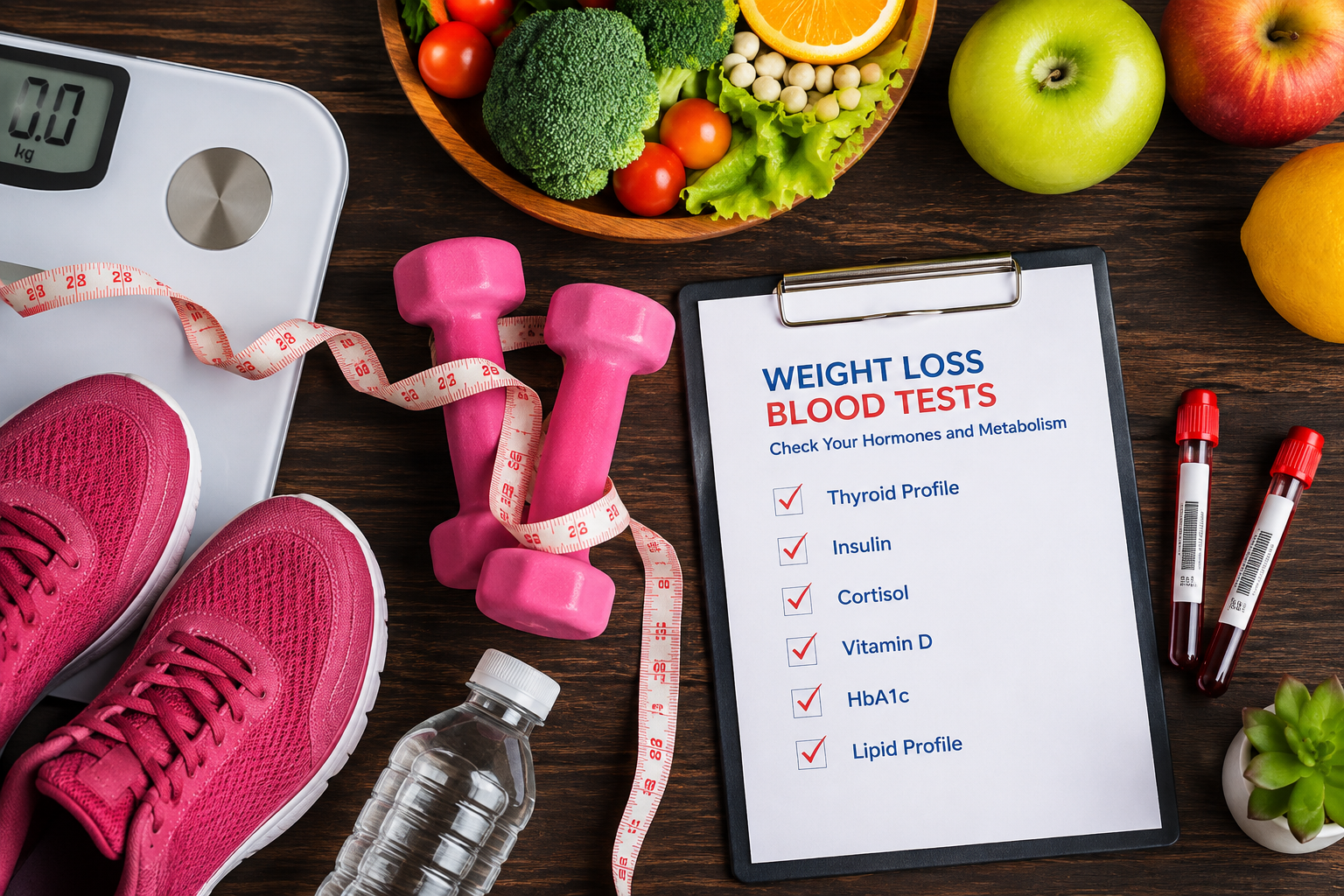
Losing weight can be hard even if you eat well and exercise. This may point to hidden health issues, not a lack of effort. Problems like thyroid imbalance, insulin resistance, or high cortisol can make weight loss very difficult. The right blood tests can help find the cause and guide the next steps.
Are you eating carefully, exercising often, and still not seeing the scale move? That can feel frustrating. When your effort does not match your results, the reason is often more than just food and exercise.
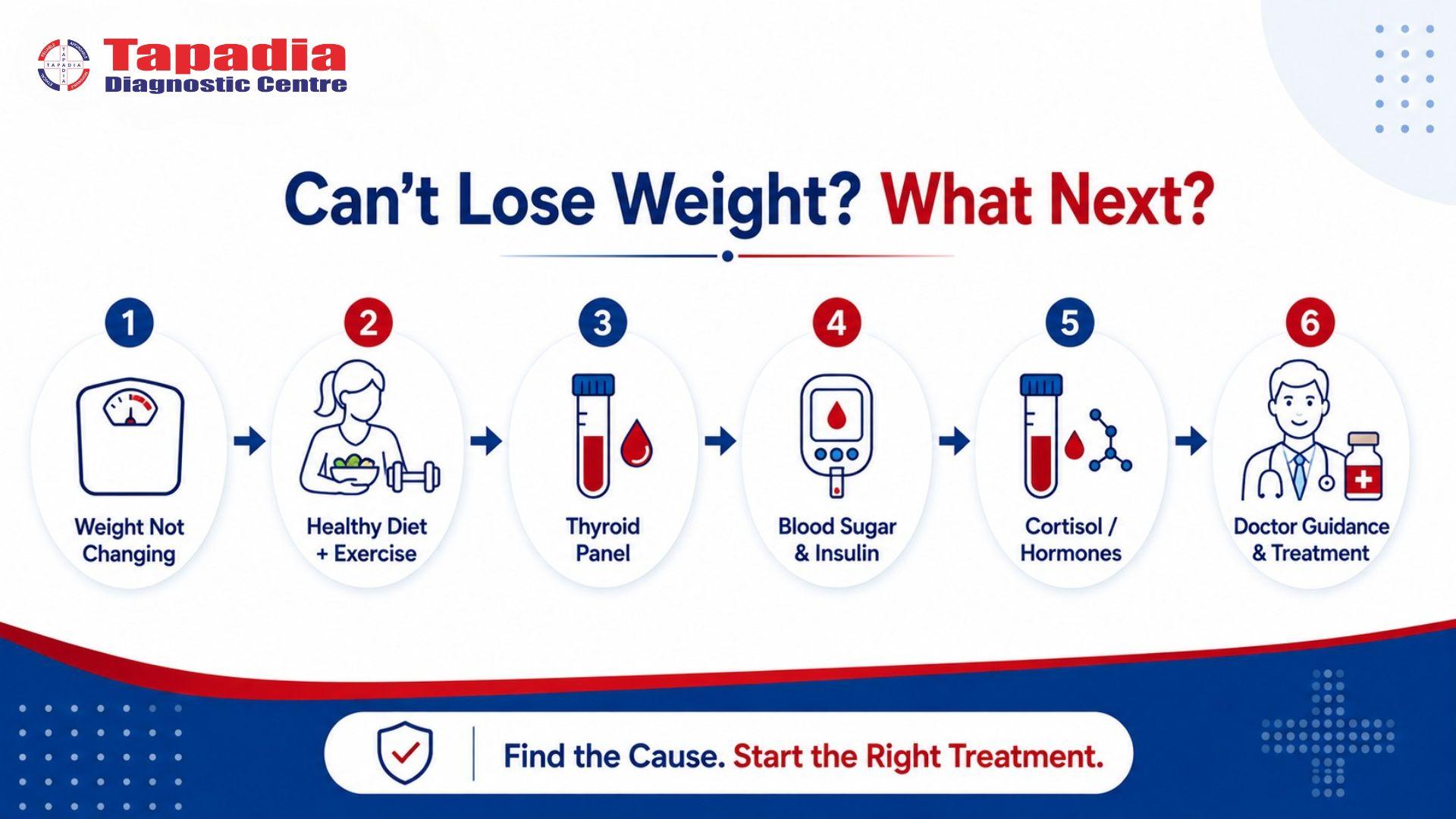
Sometimes the answer is in your body’s internal balance. Hormone and metabolism problems can affect how your body uses energy, stores fat, and controls hunger.
Why Weight Loss Is Not Just About Calories
For a long time, weight loss has been explained in a simple way: burn more calories than you eat. Calorie balance does matter, but this idea does not explain everything. It leaves out the body systems that affect how energy is used.
Your hormone system helps control fat storage, hunger, and energy use. If this system is not working well, your body may respond to a calorie deficit by slowing down. That can make fat loss much harder.
How Hormones Affect Weight Loss
Your body uses chemical messengers to control energy use and fat storage. When these are out of balance, losing weight can become harder:
Thyroid hormones: These act like your body’s thermostat and help set your metabolism speed.
Insulin: This controls blood sugar and tells your cells whether to use sugar for energy or store it as fat.
Cortisol: This is your main stress hormone. When it stays high for too long, it can make your body hold on to belly fat.
Sex hormones (estrogen, progesterone, testosterone): These affect where fat is stored, how much muscle you keep, and how well your metabolism works at different times of life.
Hormone | Main Function | When Levels Are Abnormal |
|---|---|---|
Thyroid Hormones | Control metabolism | Slower calorie burning and weight gain |
Insulin | Regulates blood sugar | Increased fat storage and reduced fat burning |
Cortisol | Manages stress response | More belly fat and increased cravings |
Estrogen | Supports metabolism and fat distribution | Weight changes during menopause or PCOS |
Testosterone | Helps maintain muscle mass | Lower metabolism and increased body fat |
If diet and exercise are not helping, the reason may be hormonal or metabolic. The right blood tests can uncover the cause and help your doctor plan the right treatment.
Important Blood Tests to Find the Problem
If usual weight loss methods are not working, a doctor or endocrinologist may order more detailed blood tests instead of relying only on a basic metabolic panel.
1. Thyroid Panel (TSH, T3, T4)
What it checks: How well your thyroid gland is working.
Why it matters: An underactive thyroid, called hypothyroidism, can slow your metabolism. This can reduce calorie burning and lead to unexplained weight gain, tiredness, and brain fog.
2. Fasting Insulin and Fasting Blood Glucose
What it checks: Your fasting blood sugar and how much insulin your pancreas make when you have not eaten.
Why it matters: When insulin stays high, your body stores more fat and has a harder time using stored fat for energy.
3. HbA1c (Glycated Haemoglobin)
What it checks: Your average blood sugar over the past 2 to 3 months.
Why it matters: It can help find long-term blood sugar issues, prediabetes, or early type 2 diabetes, which are often linked with stubborn weight gain or difficulty losing weight.
4. Cortisol (Serum (8am) or Salivary (last night))
What it checks: Your stress hormone levels.
Why it matters: Long-term stress can keep cortisol high. This can increase cravings for sugary, high-calorie foods and lead to more fat storage around the belly.
5. Sex Hormone Panel (Testosterone, Estrogen, DHEA-S)
What it checks: The balance of reproductive and adrenal hormones.
Why it matters: Problems linked to conditions like Polycystic Ovary Syndrome (PCOS), perimenopause in women, or low testosterone in men, which can affect muscle, fat balance, and metabolism.
Who Should Consider These Blood Tests?
These tests may be helpful if you:
Have been eating well and exercising regularly for 3 to 6 months but are not losing weight(after consulting a doctor first).
Keep gaining weight without a clear reason.
Feel tired, sluggish, or have low energy most days.
Notice increased fat around your abdomen despite lifestyle changes.
Have irregular menstrual cycles, acne, or excess facial hair (possible signs of PCOS).
Have a family history of thyroid disease, diabetes, or obesity.
Experience constant hunger, sugar cravings, or frequent energy crashes.
Are going through perimenopause or menopause, when hormonal changes can affect metabolism.
Have symptoms such as hair loss, dry skin, constipation, or feeling unusually cold.
These tests should be recommended and interpreted by a qualified healthcare professional based on your symptoms and medical history.
If diet and exercise are not helping, the reason may be hormonal or metabolic. The right blood tests can uncover the cause and help your doctor plan the right treatment.
Key Takeaways
It is not only about willpower: Weight loss plateaus are often linked to physical and hormonal issues inside the body.
Metabolism is complex: A slow thyroid, high insulin, and high stress hormones may all make fat loss harder.
The right tests can help: Blood tests such as a full thyroid panel, fasting insulin, and cortisol (usually at 8 am) testing can show problems that simple calorie counting may miss.
Test instead of guessing: Advanced blood tests like fasting insulin, full thyroid testing, and micronutrient checks can give useful information to help improve metabolism.
Frequently Asked Questions
Basic testing often checks only TSH (Thyroid-Stimulating Hormone). But a full thyroid panel should also include T3 and T4 and may also include Free T3 and Free T4 to show how well your body changes thyroid hormones into their active forms. Sometimes a problem is still present even when TSH falls within the broad “normal” range.
Insulin is a storage hormone. When your cells do not respond to it properly, your pancreas makes more insulin to move sugar out of the blood. High insulin works like a lock on fat cells, making it harder for your body to use stored fat for energy during a calorie deficit.
Do not try to treat hormone imbalance on your own with over-the-counter supplements. Take your results to a qualified doctor, an endocrinologist, or registered dietitian. They can create a treatment plan that may include medicine, food changes, stress control, or better sleep habits to support metabolic health.
Standard lab reference ranges are meant to screen for clear disease, not ideal metabolic health. Always review your results with a knowledgeable doctor.
Disclaimer: This content is for informational and educational purposes only. Tests should be ordered according to an individual clinical assessment and this article does not replace professional medical advice, diagnosis, or treatment.

We also provide Home diagnostic services