Tapadia Diagnostic Centre in Hyderabad offers NABL-accredited blood tests, MRI/CT scans, ultrasound, and home sample collection at our centre near Osmanpura. Established 1989, doctor-led, reports in 6 hours on WhatsApp. Pay at centre no advance payment. Free home pickup within 8 km. Walk in or book online.

Uric Acid Test in Hyderabad
Uric Acid Test (also called Urate, UA, Gout test ). NABL-accredited diagnostic laboratory accuracy. complementary home sample collection. Verified reports delivered within 6 hours straight to WhatsApp.
3 Parameters
Commonly prescribed for: Joint pain, swelling, and back pain
Home Collection
Report Delivery:
Sample before 12 PM → by 8:30 PM today
Sample after 12 PM → by 1 PM tomorrow
Age Group
All Ages
Sample Required
Blood

Test For
Men,Women
Contains
1 Tests
Tests
available at
Home Collection
Preparations
No Special Preparation.
4.6 / 6,477 reviews on Google
Reports in 6 hours on WhatsApp
Reviewed by Dr. K. Gayathri, MD (Pathology)
NABL Accredited — Certified
Tapadia Diagnostic Centre — Since 1989
Enterprise Solutions Overview
Comprehensive Business Technology Platform
Understanding Uric Acid Test
Know More About This Test
Serum Uric Acid measures the level of uric acid, a waste product formed from the breakdown of purines. Elevated levels can lead to gout, kidney stones, and joint inflammation. The test is commonly used in metabolic and renal evaluations.
Uric acid balance depends on diet, kidney excretion, and genetic factors.
Why Is This Test Recommended?
This test is recommended to:
Diagnose gout and hyperuricemia
Monitor kidney function
Evaluate unexplained joint pain
Assess metabolic disorders
Monitor treatment effectiveness
Understanding Uric Acid
High uric acid leads to crystal deposition in joints, causing sudden painful arthritis (gout). It can also form kidney stones. Low levels are rare and usually not clinically significant.
Symptoms or Conditions That May Require This Test
Sudden severe joint pain (especially big toe)
Swelling and redness in joints
History of kidney stones
Recurrent joint inflammation
Family history of gout
How Do I Prepare for the Test?
Fasting may be advised depending on other tests being performed. Avoid alcohol and limit high-protein, purine-rich foods before testing for more accurate results.
How Is the Test Performed?
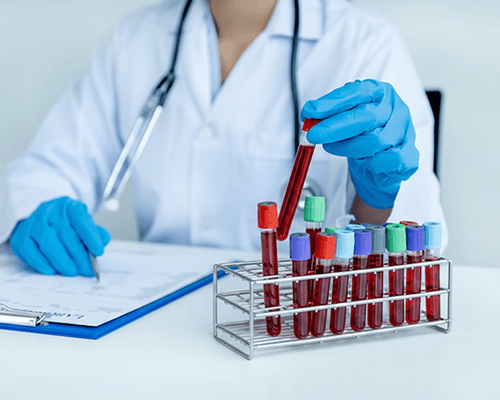
A blood sample is collected from a vein in your arm.
What Happens After the Test?
Results are interpreted based on symptoms and medical history. Treatment may include dietary modifications, medications to lower uric acid, or management of underlying conditions.
When Should I Consult a Doctor?
If you experience sudden joint pain, swelling, or if uric acid levels are significantly elevated or low.
Risks Associated With This Test
Minimal risk related to blood draw only.
Lifestyle Tips
Limit purine-rich foods (red meat, organ meats, seafood)
Avoid excessive alcohol consumption
Stay well-hydrated
Maintain healthy weight
Limit sugary drinks and high-fructose foods
What Does This Test Measure?
The test measures the concentration of uric acid in the blood, reflecting purine metabolism and kidney excretion efficiency.
What Do the Results Mean?
Normal ranges:
Men: 3.4–7.0 mg/dL
Women: 2.4–6.0 mg/dL
High levels: May indicate gout, kidney disease, metabolic syndrome, or certain medications
Low levels: Rarely significant clinically
What Should I Do If Results Are Abnormal?
Consult your doctor for appropriate management, which may include dietary changes, medications to reduce uric acid production or increase excretion, and treatment of underlying conditions.
Factors Affecting Results
Diet (purine-rich foods), alcohol consumption, dehydration, certain medications (diuretics, aspirin), kidney function, and genetic factors.
Frequently Asked Questions (FAQs)
Does high uric acid always cause gout?
No, many people with elevated uric acid never develop gout; however, higher levels increase the risk of gout attacks.Can diet lower levels?
Yes, avoiding purine-rich foods, limiting alcohol, staying hydrated, and maintaining healthy weight can help lower uric acid levels.Is it lifelong?
Often manageable; with proper diet, lifestyle changes, and medication if needed, uric acid levels can be controlled long-term.Is fasting needed?
Sometimes recommended; while not always mandatory, fasting may be advised for more accurate results or if other tests are included.Can medicines increase uric acid?
Yes, certain medications like diuretics, low-dose aspirin, and some immunosuppressants can raise uric acid levels.
Available Center at Hyderabad for Uric Acid Test
Related Pathology Tests in Hyderabad
Uric Acid Test in Other Cities Tapadia Serves
Medically Reviewed by Dr. K. Gayathri, MD (Pathology)
Haematopathology Lead Roster Specialist, Tapadia Diagnostic Centre



We also provide Home diagnostic services